



$19.99


$19.99

$23.99

$23.99

$19.99

$19.99
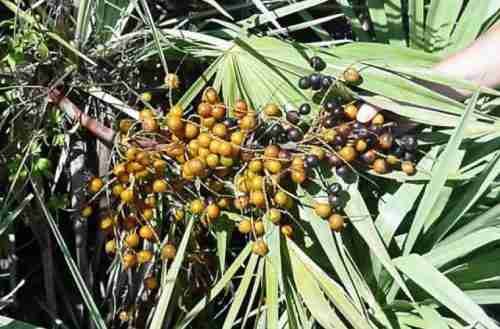
Saw palmetto (Serenoa repens) is a small palm native to the southeastern United States, particularly Florida. The plant produces dark berries commonly referred to as saw palmetto fruit. These berries have been used for centuries by Native American tribes and later adopted by herbalists worldwide for their reputed medicinal properties, especially in supporting men’s health.
Saw palmetto fruit extract is now one of the most popular natural supplements, primarily known for its potential benefits in prostate health, urinary function, and hormonal balance. This article explores what saw palmetto fruit is, its traditional and modern uses, active compounds, health benefits, and safety considerations.
The saw palmetto palm is a slow-growing shrubby palm with fan-shaped leaves and small, round berries about the size of a blueberry. The berries have a strong aroma and contain several bioactive compounds.
Historically, Native American tribes used saw palmetto berries for food and medicine, treating various ailments including:
By the late 19th and early 20th centuries, European and American herbalists began investigating the berries’ potential for supporting prostate and urinary health.
The medicinal properties of saw palmetto fruit are primarily attributed to its rich content of fatty acids and phytosterols, including:
These constituents work synergistically to influence hormonal activity and reduce inflammation, particularly in the prostate gland.
Saw palmetto fruit extract is best known for managing benign prostatic hyperplasia (BPH) — a non-cancerous prostate gland enlargement common in older men. BPH can cause uncomfortable urinary symptoms such as frequent urination, weak stream, and nighttime urination.
Research suggests that saw palmetto may help by:
A meta-analysis in The Cochrane Database of Systematic Reviews (2012) found that saw palmetto extract showed modest improvements in urinary symptoms and flow measures in men with BPH (Tacklind et al., 2012). Although some clinical trials have reported mixed results, many men use saw palmetto as a natural alternative or complement to pharmaceutical treatments.
Saw palmetto fruit may indirectly support urinary tract function by promoting healthy prostate size and reducing inflammation. This is particularly relevant for men experiencing urinary frequency, urgency, or nocturia due to prostate issues.
Saw palmetto’s inhibition of DHT production has led to interest in its use for male pattern baldness (androgenetic alopecia). DHT is a key factor in hair follicle shrinkage that leads to hair loss.
Some small studies and topical formulations containing saw palmetto have shown promising results in reducing hair loss and improving hair density (Prager et al., 2002). However, more robust clinical trials are needed to confirm its effectiveness.
Saw palmetto contains compounds with anti-inflammatory and antioxidant properties, which may benefit overall prostate and urinary tract health. These effects can help protect cells from oxidative damage and chronic inflammation.
Saw palmetto fruit is typically processed into:
Typical dosages for prostate health range from 160 mg to 320 mg per day of standardized extract, often taken in divided doses.
Saw palmetto is generally considered safe for most people when taken at recommended doses. Side effects are usually mild and may include:
Because saw palmetto can influence hormone activity, it may interact with hormone-related medications or therapies, such as birth control pills or hormone replacement therapy.
People who are pregnant, breastfeeding, or have hormone-sensitive conditions should avoid saw palmetto unless advised by a healthcare professional.
While saw palmetto has been widely studied, the clinical evidence shows mixed results. Some large trials, including the STEP (Saw Palmetto for Treatment of Enlarged Prostates) trial, found no significant difference between saw palmetto and placebo for BPH symptoms (Bent et al., 2006). Others have reported modest benefits in symptom relief and quality of life.
Variability in extract preparation, dosage, and study design contributes to these inconsistent findings. Standardization of extracts and longer-term studies may clarify its role.
Saw palmetto fruit is a natural botanical remedy with a long history of use, especially for supporting men’s prostate and urinary health. Its active compounds, particularly fatty acids and phytosterols, contribute to its anti-inflammatory, hormone-modulating, and antioxidant properties.
While research results are mixed, many men report symptom improvement, making saw palmetto a popular choice for managing BPH and related urinary issues. It may also have the potential to support hair health and hormonal balance.
As with any supplement, it is important to consult with a healthcare professional before starting saw palmetto, especially if you are on medication or have underlying health conditions.


No account yet?
Create an Account


