

$19.99


$19.99
$23.99

$23.99
$19.99
$19.99
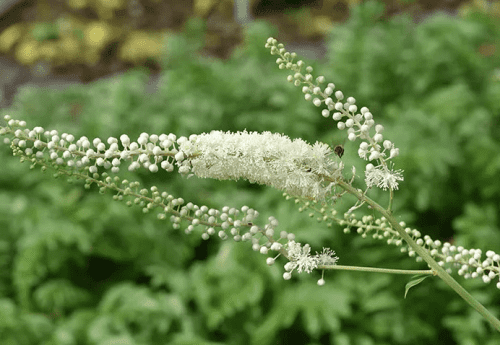
Black cohosh extract is an herbal supplement derived from the roots and rhizomes of Actaea racemosa (formerly Cimicifuga racemosa), a perennial flowering plant native to North America. This botanical has been traditionally used by Native American tribes for centuries and has become widely popular in modern herbal medicine, particularly for its potential benefits in managing symptoms related to menopause and other female health issues.
Black cohosh belongs to the Ranunculaceae family and is recognized for its tall stalks with clusters of small white flowers. The root is the part primarily used for medicinal purposes.
Historically, Native American tribes used black cohosh to treat a variety of ailments, such as menstrual cramps, rheumatism, and childbirth-related discomforts. In the 19th century, European herbalists adopted black cohosh as a treatment for female reproductive health issues.
Black cohosh extract is a concentrated preparation obtained from the dried roots and rhizomes of the plant. The extract typically contains a complex mixture of bioactive compounds, including:
These constituents are believed to contribute to the plant’s pharmacological effects, particularly its action on hormonal and neurological pathways (1).
The extract is available in several forms, including capsules, tablets, tinctures, and teas, and is often standardized to a certain percentage of triterpene glycosides to ensure consistent potency.
The primary modern use of black cohosh extract is for managing menopausal symptoms such as hot flashes, night sweats, mood swings, and vaginal dryness. Many women seek alternatives to hormone replacement therapy (HRT), and black cohosh is often considered a natural option.
Several clinical studies have explored black cohosh’s effectiveness for menopausal symptoms. A 2012 meta-analysis published in Menopause analyzed 16 randomized controlled trials and concluded that black cohosh was more effective than placebo in reducing hot flashes and other menopausal complaints (2).
Black cohosh has also been used to alleviate symptoms related to PMS and menstrual cramps, although evidence here is less robust compared to menopausal symptom treatment (3).
Traditionally, black cohosh was also used for:
The exact mechanism by which black cohosh extract works remains partially understood. Unlike traditional phytoestrogens, black cohosh does not contain significant amounts of estrogenic compounds but may act as a selective estrogen receptor modulator (SERM) or influence serotonin receptors.
Research indicates that black cohosh may:
These multiple pathways may collectively contribute to symptom relief, especially in menopausal women.
A systematic review and meta-analysis by Leach and Moore (2012) analyzed 16 randomized controlled trials involving over 2,000 women. They found that black cohosh extract significantly reduced the frequency and severity of hot flashes compared to placebo (2).
Another study published in Phytomedicine (2015) concluded that black cohosh’s benefits in menopausal symptom management were comparable to hormone therapy, but with fewer side effects (6).
Black cohosh is generally well-tolerated, but some users may experience side effects including:
Liver toxicity has been a concern with black cohosh, but causality remains unclear. Most experts agree it is safe when used at recommended doses for up to six months (7).
Typical dosages for black cohosh extract range from 20 to 80 mg daily, standardized to 2.5% triterpene glycosides. Extracts are most commonly administered in capsule or tablet form.
Following product-specific instructions and consulting a healthcare provider before starting supplementation is essential.
Black cohosh extract is a widely used herbal remedy, primarily valued for its potential to alleviate menopausal symptoms such as hot flashes and mood swings. While its exact mechanisms remain under investigation, evidence supports its efficacy and relative safety for short-term use.
Women seeking alternatives to hormone replacement therapy often turn to black cohosh as a natural option. However, as with all supplements, it is essential to consult a healthcare professional before use, especially if there are underlying health conditions or concurrent medications.


No account yet?
Create an Account