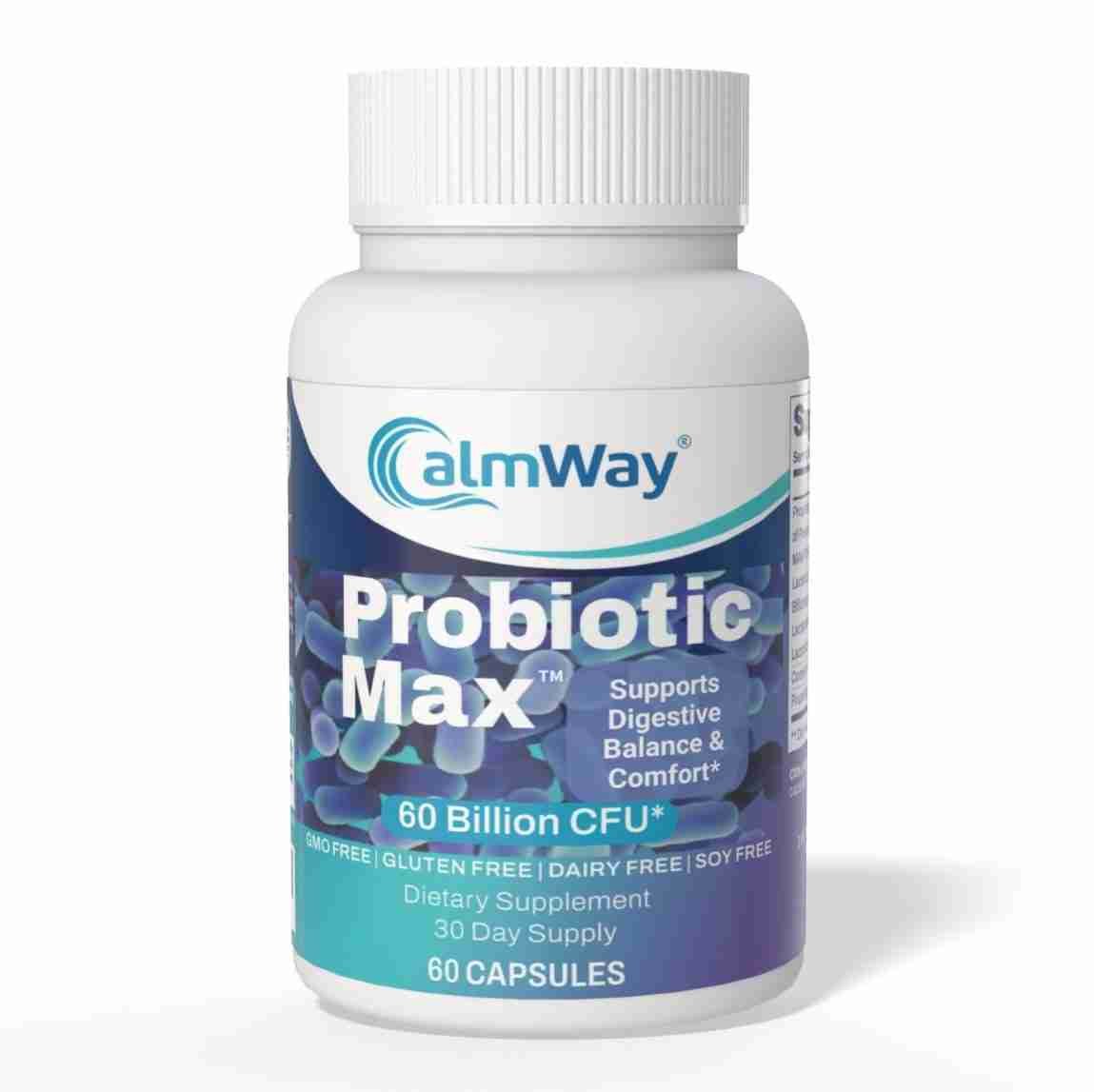


$19.99


$19.99
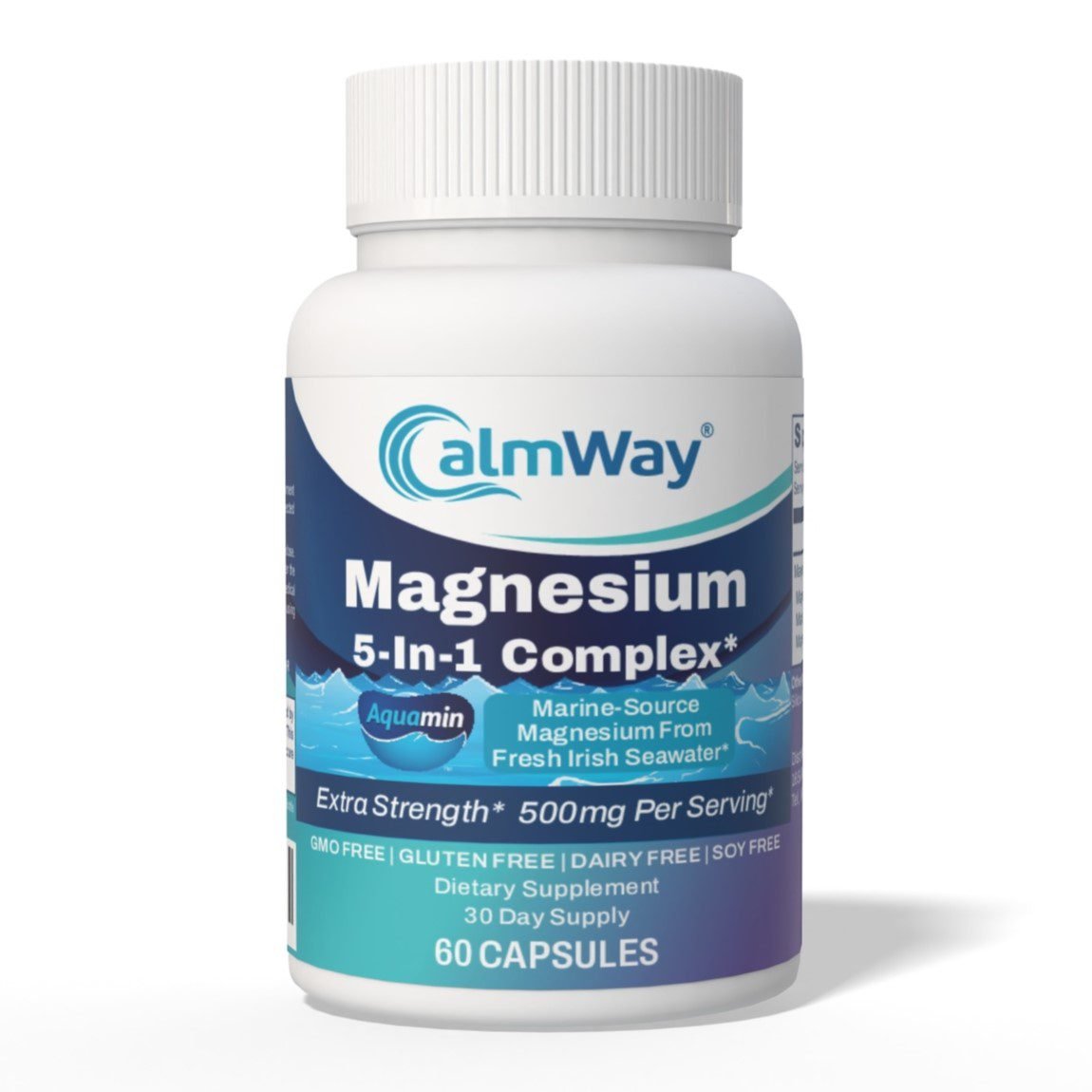
$23.99
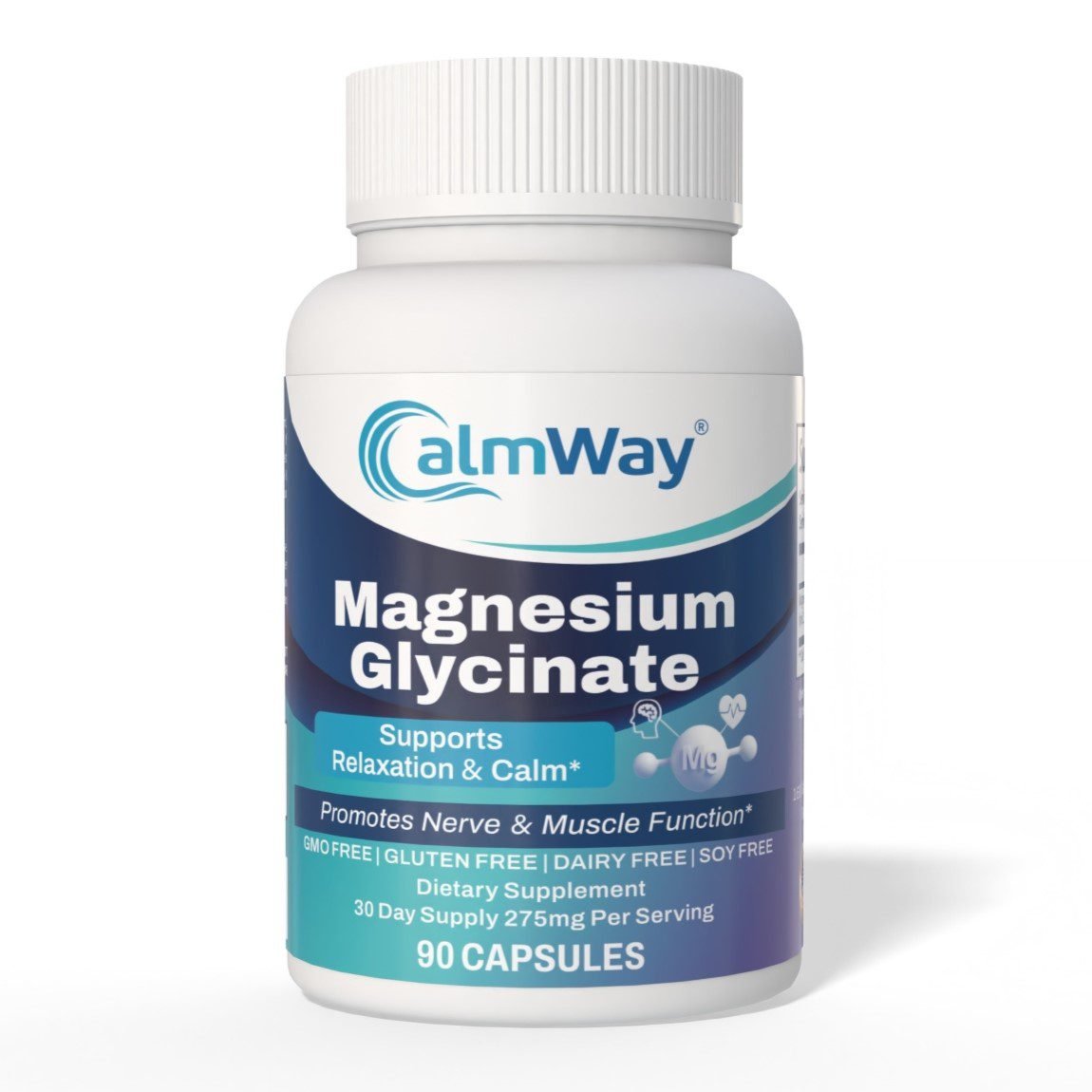
$23.99
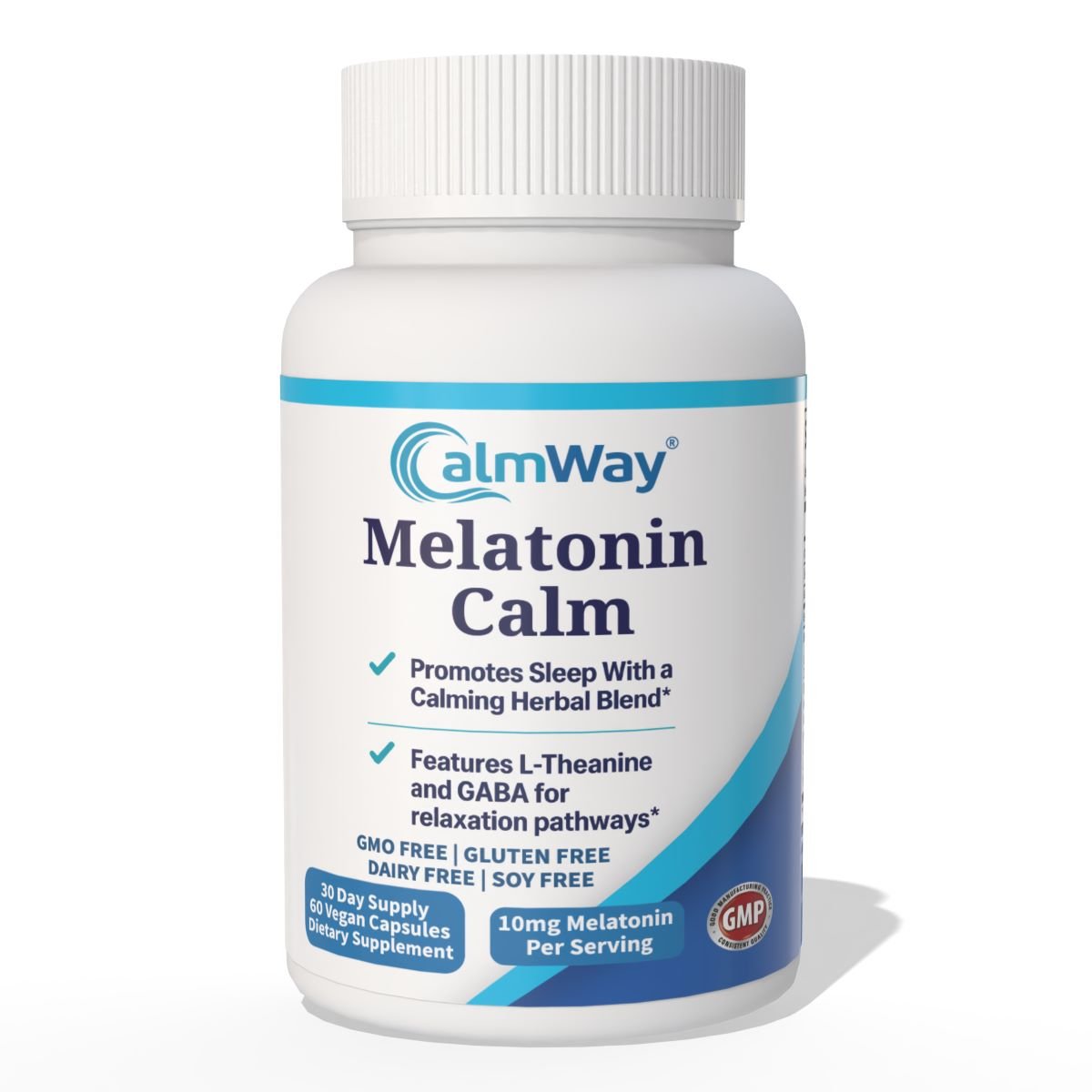
$19.99
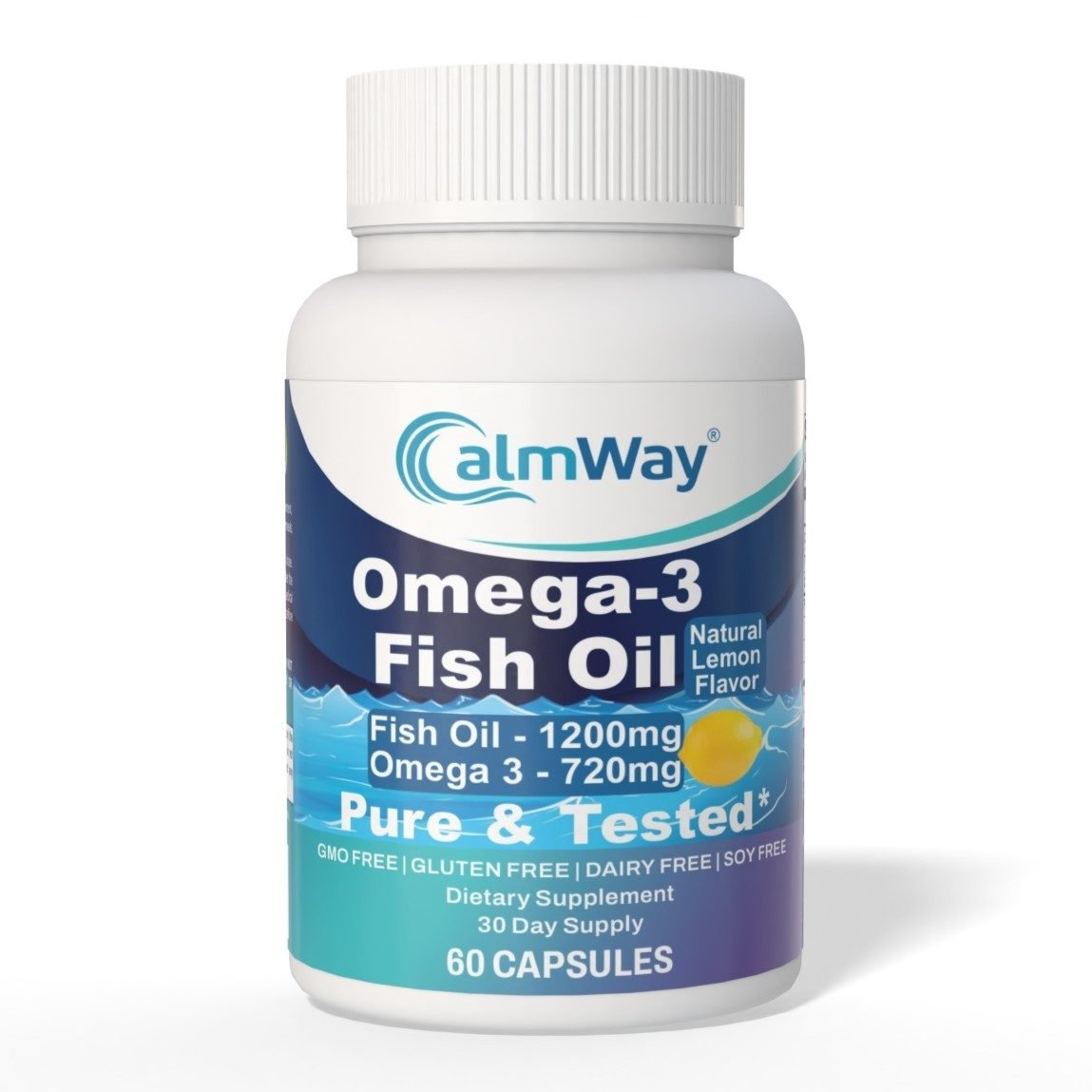
$19.99
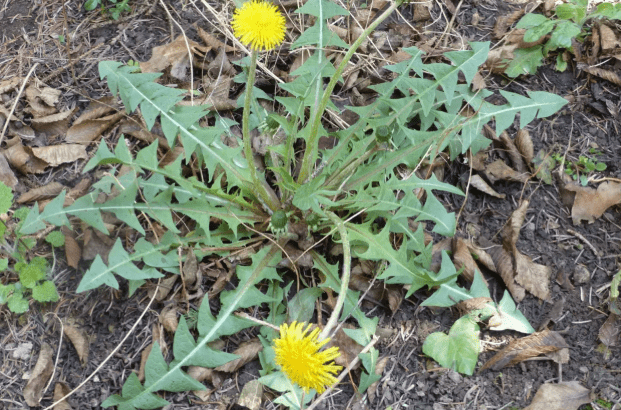
Dandelion (Taraxacum officinale) is a typical flowering plant native to Europe and Asia but now found worldwide. Often regarded as a pesky weed, dandelion has a rich history of use in traditional medicine. Dandelion herb extract refers to a concentrated preparation made from the leaves, roots, or the whole aerial parts of the plant, capturing its potent bioactive compounds for therapeutic use.
The extract is prized for its broad range of potential health benefits, including liver support, digestive health, anti-inflammatory effects, and diuretic properties. It is widely used today in dietary supplements, teas, tinctures, and natural health products.
Dandelion has been utilized for centuries in herbal medicine systems such as Traditional Chinese Medicine (TCM) and Western herbalism. Historically, the plant’s various parts were used to:
The root was commonly roasted and used as a coffee substitute or tonic, while leaves were consumed as food or brewed into bitter herbal teas.
Dandelion herb extract contains multiple classes of bioactive compounds that contribute to its therapeutic effects:
The combination of these compounds makes dandelion extract a multifaceted herbal remedy.
One of dandelion’s best-known traditional uses is promoting liver health. Research suggests that dandelion extract can stimulate bile production (choleretic effect), aiding digestion and facilitating the elimination of toxins. This may help improve liver function and protect against liver damage.
A study published in Evidence-Based Complementary and Alternative Medicine (2015) found that dandelion root extract protected liver cells from oxidative stress-induced injury and reduced inflammation in animal models (Yuan et al., 2015).
Dandelion is a natural diuretic that helps increase urine production and reduce water retention. This property has made it popular for managing fluid balance, mild edema, and blood pressure support.
In a small human trial, dandelion leaf extract increased urine output significantly without causing electrolyte imbalance (Hagmeyer et al., 2019). This diuretic effect is attributed to increased kidney sodium and water excretion.
The bitter compounds in dandelion stimulate the secretion of digestive juices, including bile and gastric acid, which can improve digestion and appetite. Additionally, the inulin content promotes the growth of beneficial gut bacteria, supporting overall gut health and regularity.
The prebiotic effects of dandelion root have been shown to enhance microbiome diversity and increase the levels of beneficial bacteria such as Bifidobacteria (Gupta et al., 2013).
Dandelion extract contains antioxidants that scavenge harmful free radicals, potentially lowering oxidative stress and inflammation. These effects can help protect cells and tissues from damage associated with aging and chronic disease.
In vitro studies demonstrate that dandelion phenolic compounds inhibit inflammatory pathways and reduce markers such as TNF-alpha and IL-6 (Jeon et al., 2010).
Some animal and preliminary human studies suggest that dandelion may improve glucose metabolism and lower cholesterol. These effects could support metabolic health and reduce risk factors for cardiovascular disease.
A 2017 animal study showed that dandelion extract reduced blood glucose and improved lipid profiles in diabetic rats (You et al., 2017), though more clinical trials in humans are needed.
Dandelion extract is commonly available in several forms:
The dosage depends on the form and purpose, but it often ranges from 500 mg to 1500 mg per day of extract standardized to active compounds.
Dandelion is generally considered safe for most people when consumed in typical doses. Mild side effects may include:
People with gallbladder obstruction, kidney problems, or taking diuretics or lithium should consult a healthcare professional before use. Additionally, dandelion may interact with certain medications due to its diuretic and blood-thinning effects.
Dandelion herb extract is a versatile and well-studied natural remedy with a long history of traditional use. Its blend of antioxidants, bitter compounds, and prebiotic fibers benefits liver support, digestive health, diuresis, inflammation reduction, and metabolic regulation.
While further high-quality clinical trials are needed to fully confirm its therapeutic potential, current evidence supports the continued use of dandelion extract as a safe and effective natural supplement for overall wellness.


No account yet?
Create an Account