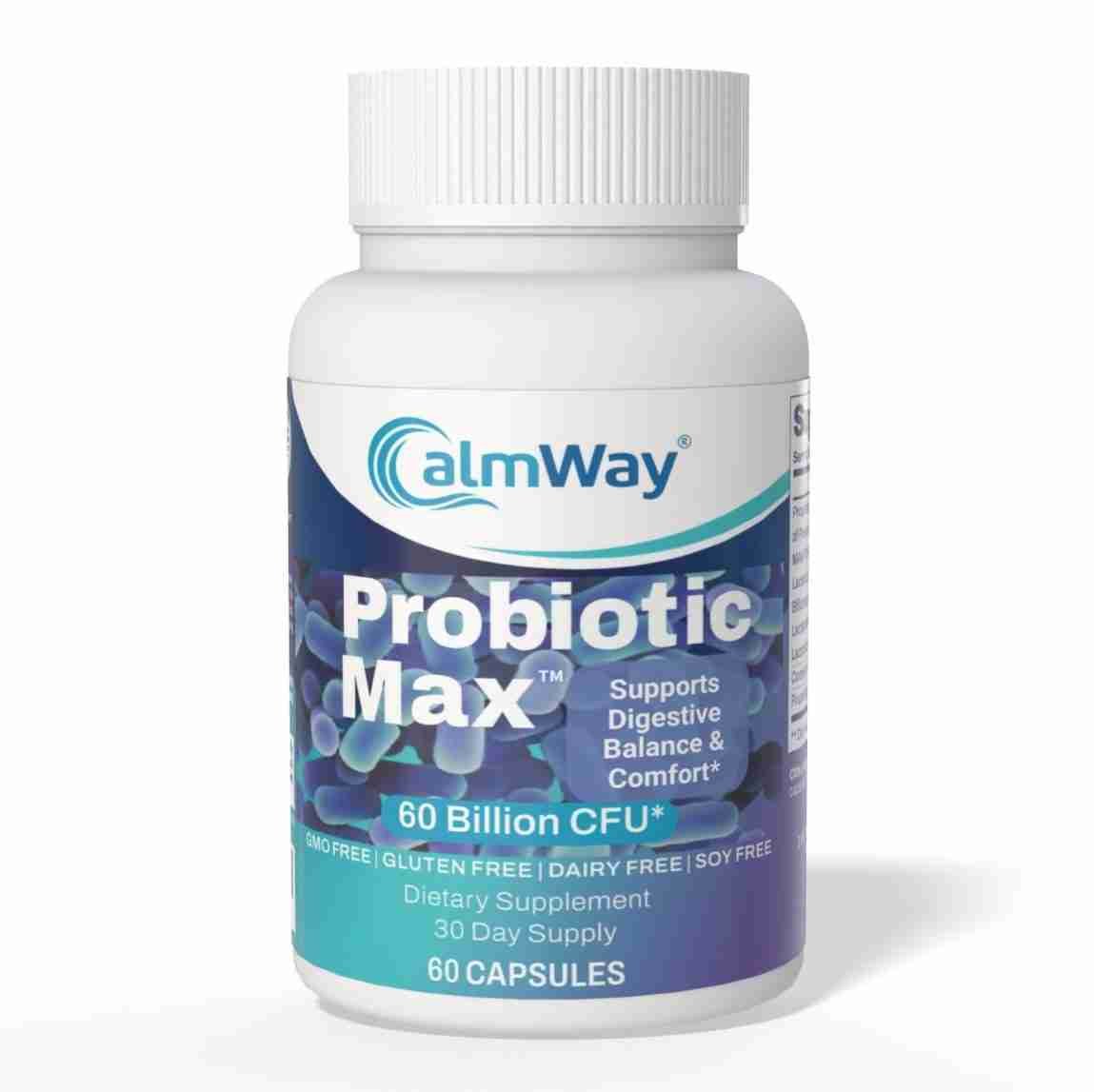


$19.99


$19.99
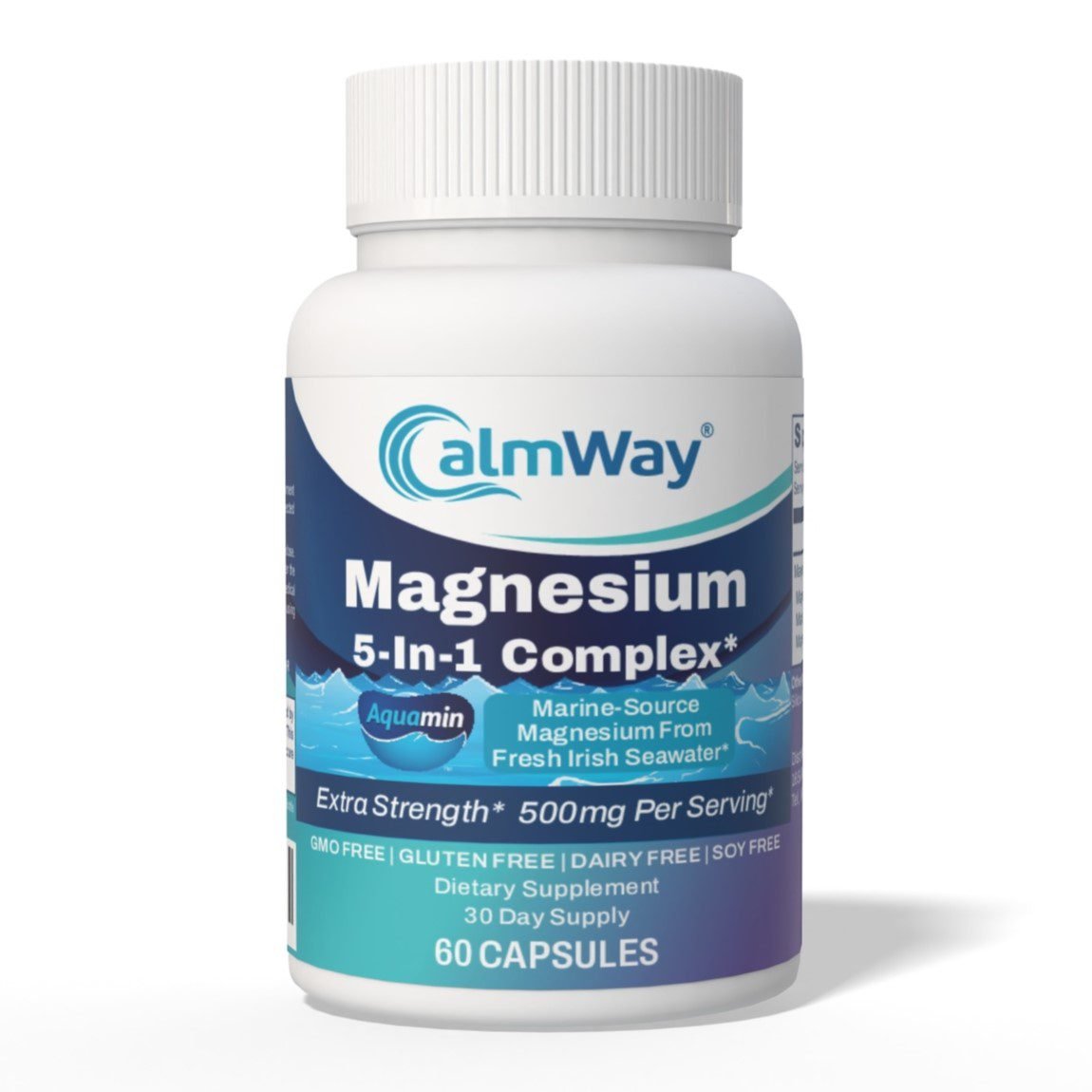
$23.99
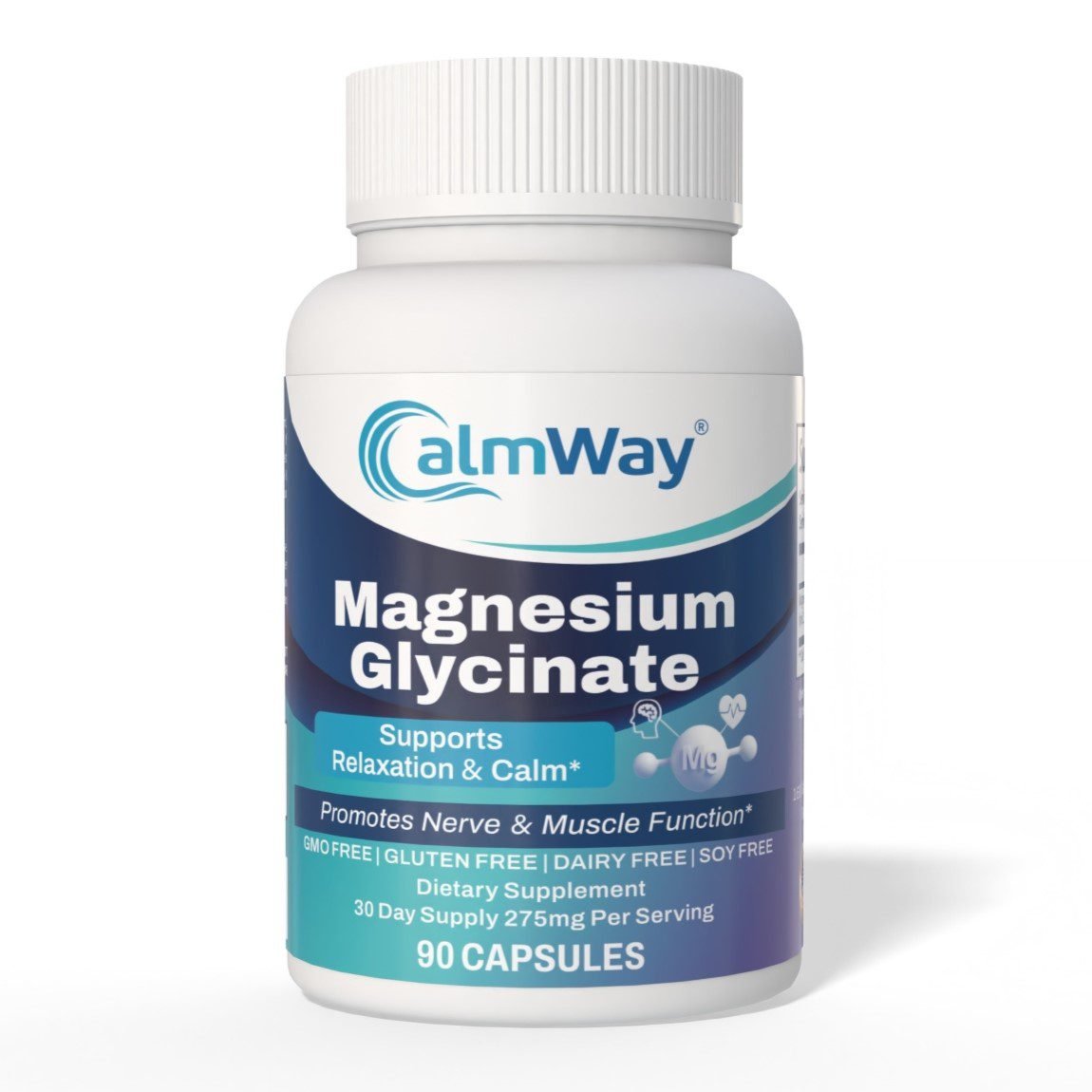
$23.99
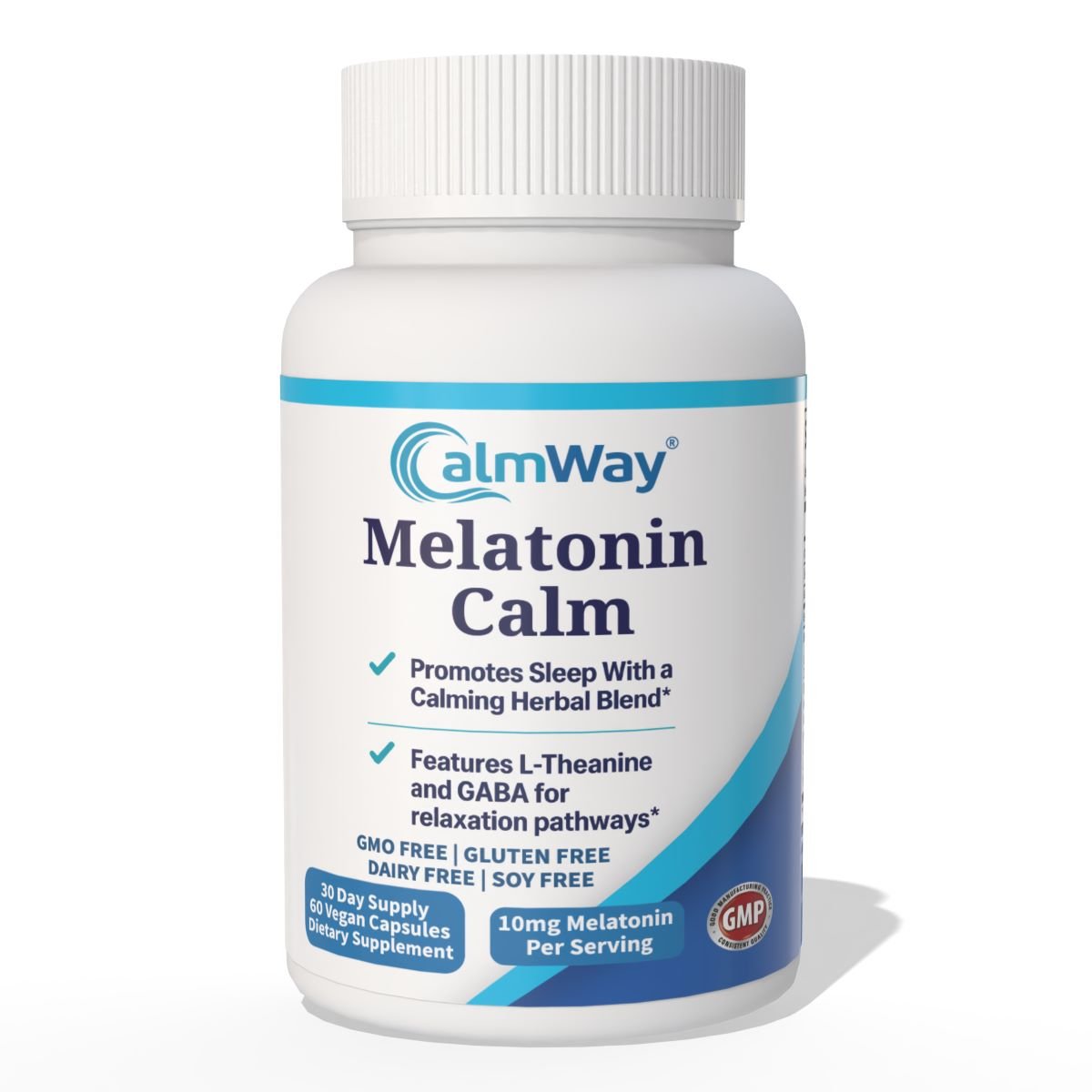
$19.99
$19.99

Cranberry juice powder is a concentrated form of cranberry (Vaccinium macrocarpon) juice dried into a fine powder. Typically made through spray-drying or freeze-drying techniques, this powder preserves the natural compounds found in fresh cranberries and is often used in dietary supplements, functional foods, and beverages.
Renowned for its vibrant red color and tart flavor, cranberry juice powder has gained widespread recognition due to its high antioxidant content and potential urinary tract health benefits. It serves as a convenient, shelf-stable alternative to fresh cranberries or juice, especially for health-conscious consumers seeking natural remedies.
Cranberry juice powder is rich in a variety of beneficial plant compounds and nutrients, including:
The exact nutrient composition depends on the manufacturing process and whether the powder includes the whole berry or only juice extract.
The most well-documented benefit of cranberry juice powder is its ability to help prevent urinary tract infections (UTIs), particularly in women. This is largely due to type-A proanthocyanidins (PACs), which inhibit the adhesion of Escherichia coli (E. coli) to the bladder wall—a crucial step in the development of UTIs.
A meta-analysis published in The Journal of Nutrition (2016) concluded that cranberry products reduced the risk of UTIs by 26% in women with recurrent infections (Jepson et al., 2012). While not a treatment for existing infections, regular consumption may lower recurrence rates.
A standardized daily intake of 36 mg of PACs is often recommended for efficacy.
Cranberry juice powder is high in polyphenolic antioxidants, which help neutralize harmful free radicals, reduce oxidative stress, and support overall health. These antioxidants may contribute to reduced inflammation and cellular protection, which are important in preventing chronic diseases.
A study in Food & Function (2012) demonstrated that cranberry polyphenols help reduce markers of oxidative stress and may support cardiovascular and metabolic health (Ruel et al., 2012).
Cranberries may benefit heart health by:
A 2022 randomized controlled trial published in Food & Function found that daily consumption of cranberry powder improved flow-mediated dilation—a measure of vascular function—by 1.1% in healthy men (Bondonno et al., 2022). This suggests potential benefits in maintaining arterial health and circulation.
Cranberry PACs have shown anti-adhesive effects on oral bacteria such as Streptococcus mutans, helping prevent dental plaque and gum disease. The antimicrobial properties may also help balance gut microbiota and support digestive health.
Animal studies suggest that cranberries may modulate gut bacteria by reducing inflammation and improving immune function (Lacroix et al., 2015). However, more human research is needed in this area.
Cranberry juice powder is widely used in:
It’s especially popular among women’s health supplements marketed for urinary tract support.
Dosage varies depending on the product and concentration. Some guidelines include:
Look for products that list standardized PAC content for maximum effectiveness. Combining with adequate hydration also enhances urinary tract benefits.
Cranberry juice powder is generally safe for most people when consumed in appropriate amounts. However, possible side effects may include:
People taking blood thinners or those with a history of kidney stones should consult a healthcare provider before using concentrated cranberry products.
Cranberry juice powder is a convenient, nutrient-rich supplement offering evidence-backed health benefits, particularly for urinary tract health, heart function, and antioxidant support. Whether used preventatively or as part of a broader wellness routine, it remains a popular and versatile ingredient in modern natural health products.
As with any supplement, look for quality assurance, standardized PAC content, and guidance from a healthcare provider if you have underlying health conditions or are taking medication.


No account yet?
Create an Account