

$19.99


$19.99
$23.99
$23.99
$19.99
$19.99
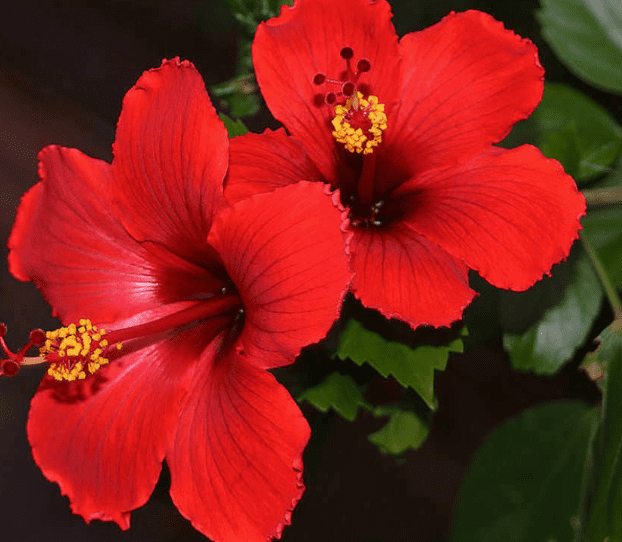
The hibiscus flower, belonging to the genus Hibiscus in the mallow family (Malvaceae), is a vibrant and widely appreciated plant known for its large, colorful blossoms. Beyond its striking beauty, Hibiscus has a long-standing history of use in culinary traditions, herbal medicine, and cultural practices worldwide. Today, hibiscus flower extracts and teas are celebrated for their refreshing taste and potential health benefits supported by scientific research.
Hibiscus plants are native to warm temperate, subtropical, and tropical regions worldwide. The most commonly used species for beverages and medicinal purposes is Hibiscus sabdariffa, also called roselle. This species is known for its bright red calyces and the fleshy, cup-like structures surrounding the flower buds.
Hibiscus plants grow as shrubs or small trees, often reaching heights of 1 to 3 meters. Their flowers typically bloom for just a day but are produced continuously over the growing season, creating a stunning display of colors ranging from red and pink to white and yellow.
One of the most popular uses of hibiscus flowers is in beverages. The calyces are steeped to make a tart, cranberry-like flavored tea known as hibiscus or agua de jamaica in Latin America. This tea is enjoyed both hot and cold and is often sweetened with sugar or honey.
Hibiscus is also used in jams, sauces, and desserts. Due to its vibrant red pigment, some cultures employ it as a natural food coloring.
Hibiscus has been used medicinally for centuries in various cultures. Traditional uses include:
These traditional uses have driven modern research into Hibiscus’s bioactive compounds and health effects.
Hibiscus flowers are rich in anthocyanins, the pigments responsible for their deep red color. Anthocyanins act as antioxidants, helping to neutralize harmful free radicals in the body.
Other important compounds include:
Combining these compounds makes Hibiscus a potent source of natural antioxidants (1).
The most well-studied benefit of hibiscus tea is its effect on blood pressure. Several clinical trials have demonstrated that drinking hibiscus tea can help lower both systolic and diastolic blood pressure in people with mild to moderate hypertension.
A meta-analysis published in the Journal of Nutrition reviewed randomized controlled trials and found that hibiscus tea consumption significantly reduced blood pressure, comparable to some standard medications (2).
The anthocyanins and other polyphenols in Hibiscus provide strong antioxidant effects, which protect cells from oxidative stress. Oxidative damage is linked to aging, cancer, and chronic diseases such as heart disease and diabetes (3).
Some studies suggest that hibiscus extracts support weight loss and fat reduction by inhibiting carbohydrate and fat absorption enzymes.
A randomized controlled trial published in Food & Function found that participants taking hibiscus extract significantly reduced body weight, body fat percentage, and waist circumference compared to placebo (4).
Hibiscus may promote liver function and help protect against liver damage. Animal studies have shown that hibiscus extract can reduce fatty liver deposits and improve liver enzyme levels, suggesting a protective effect (5).
Research indicates that hibiscus extracts possess antibacterial and antimicrobial activities against various pathogens. This supports traditional uses for treating infections and wounds (6).
Some human and animal studies suggest hibiscus tea consumption may improve lipid profiles by lowering LDL (“bad”) cholesterol and triglycerides while potentially raising HDL (“good”) cholesterol (7).
Hibiscus tea is easy to prepare at home:
Hibiscus extracts, standardized for anthocyanin content, are also available in capsules or tincture form. These can be used when concentrated doses are desired, often for cardiovascular or metabolic health support.
Hibiscus is generally considered safe when consumed in moderate amounts. However, some considerations include:
The hibiscus flower is more than an ornamental plant—it’s a natural powerhouse rich in antioxidants and bioactive compounds with a long culinary and medicinal tradition. Modern research supports many of its traditional health claims, especially its role in cardiovascular health and antioxidant protection.
Whether enjoyed as a refreshing tea, taken as a supplement, or incorporated into recipes, Hibiscus offers a flavorful and healthful addition to a balanced lifestyle.


No account yet?
Create an Account