



$19.99


$19.99

$23.99

$23.99

$19.99

$19.99
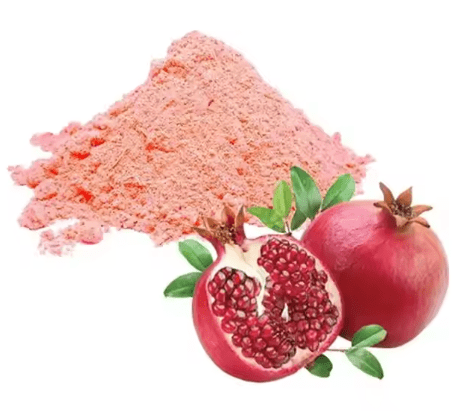
Pomegranate juice powder is a concentrated, dehydrated form of pomegranate juice derived from the Punica granatum fruit. Celebrated for its vibrant color, sweet-tart flavor, and numerous health benefits, this fruit has been cultivated across the Middle East, Asia, and the Mediterranean for thousands of years. Pomegranate juice powder provides a convenient, shelf-stable way to harness the fruit’s potent nutrients and antioxidants without refrigeration or fresh juicing.
This powdered form is created by removing water content from pomegranate juice, often through spray drying or freeze drying, preserving its bioactive compounds. Thanks to its rich nutrient profile, it’s commonly used in dietary supplements, smoothies, functional foods, and cosmetics.
Pomegranate juice powder retains many essential nutrients from the whole fruit. It is a rich source of:
Its high concentration of antioxidants, particularly punicalagins and ellagic acid, contributes to its health-promoting effects (1).
One of the most well-documented properties of pomegranate juice powder is its antioxidant capacity. Punicalagins, ellagitannins, and anthocyanins in pomegranate help neutralize free radicals, reducing oxidative stress linked to aging, inflammation, and chronic diseases (2).
Studies show that pomegranate juice has three times more antioxidants than red wine and green tea (3). These antioxidants are preserved to a large extent in the powder form, making it a potent addition to a health-conscious diet.
Pomegranate juice powder may improve several markers of cardiovascular health. Research has shown that pomegranate extract and juice can:
A 2004 clinical trial published in Clinical Nutrition found that daily consumption of pomegranate juice reduced systolic blood pressure by up to 12% in patients with hypertension (4). The antioxidants help prevent arterial plaque buildup and improve circulation.
Chronic inflammation is common in many diseases, including arthritis, diabetes, and heart disease. Pomegranate compounds, particularly ellagitannins, have shown potent anti-inflammatory effects in laboratory and animal models (5).
These benefits may extend to the digestive tract, where polyphenols can reduce inflammation associated with inflammatory bowel disease (IBD).
Preliminary studies suggest that pomegranate juice and its constituents may inhibit the growth of cancer cells, particularly in prostate, breast, and colon cancers.
A study published in Cancer Prevention Research 2006 showed that pomegranate extract slowed prostate cancer progression in men, possibly inhibiting cell proliferation and inducing apoptosis (6). While more research is needed, these findings are promising.
Due to its anti-inflammatory and antioxidant effects, pomegranate juice powder may aid post-exercise recovery. A 2016 study found that pomegranate extract reduced muscle soreness and improved strength recovery in resistance-trained individuals (7).
This makes pomegranate juice powder popular in sports nutrition supplements and pre/post-workout blends.
Pomegranate juice powder is also used in cosmetics and skin care products. Its high antioxidant content protects against UV-induced skin damage and supports collagen production, potentially reducing the appearance of wrinkles, fine lines, and hyperpigmentation (8).
Pomegranate juice powder is typically added to:
Not all pomegranate powders are created equal. High-quality powders are:
When choosing a supplement, consumers should check for certifications such as non-GMO, organic, and third-party lab testing.
Pomegranate juice powder is generally considered safe for most people when used appropriately. However, some individuals may experience:
As with any supplement, it’s best to consult with a healthcare provider before beginning use, especially for those with chronic health conditions or who are pregnant or breastfeeding.
Pomegranate juice powder offers a convenient, nutrient-rich alternative to fresh juice. It delivers potent antioxidants and bioactive compounds that support heart health, reduce inflammation, and may even provide anti-cancer and anti-aging effects. Its food, supplements, and cosmetics versatility makes it a valuable addition to a wellness-oriented lifestyle.
Whether added to a morning smoothie, a post-workout drink, or a skincare routine, pomegranate juice powder provides a natural, science-backed approach to enhancing overall health and vitality.


No account yet?
Create an Account


