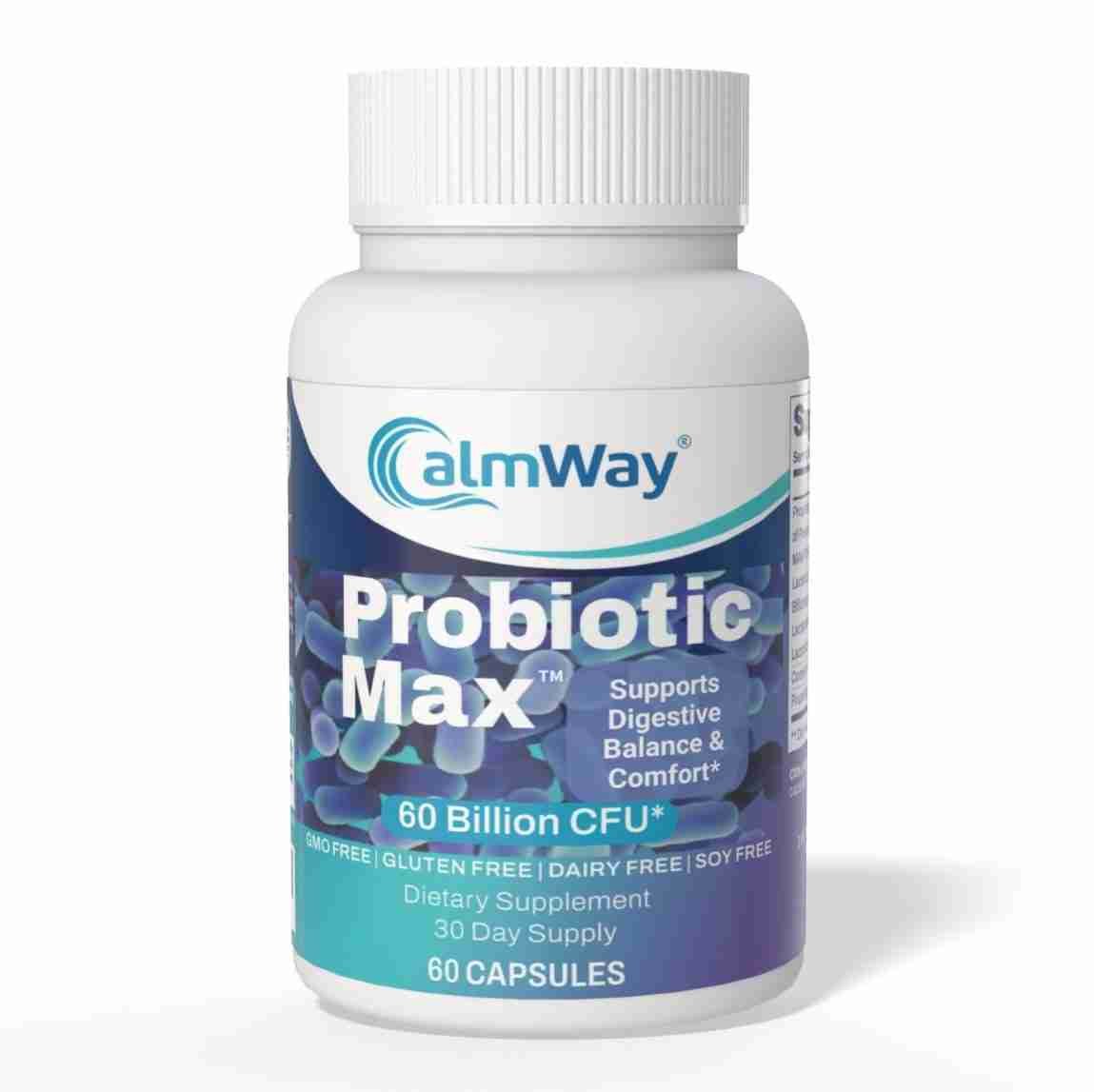


$19.99


$19.99
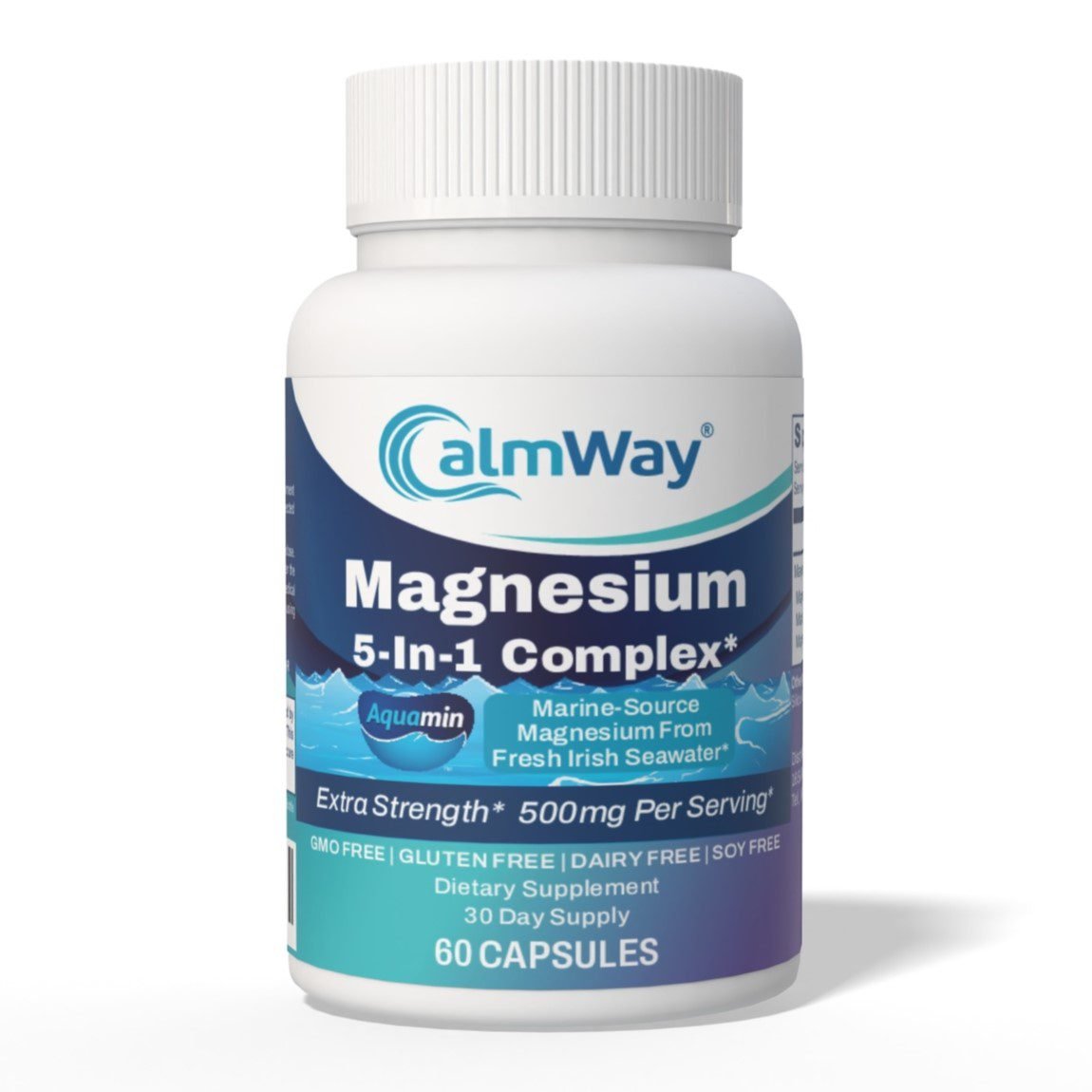
$23.99
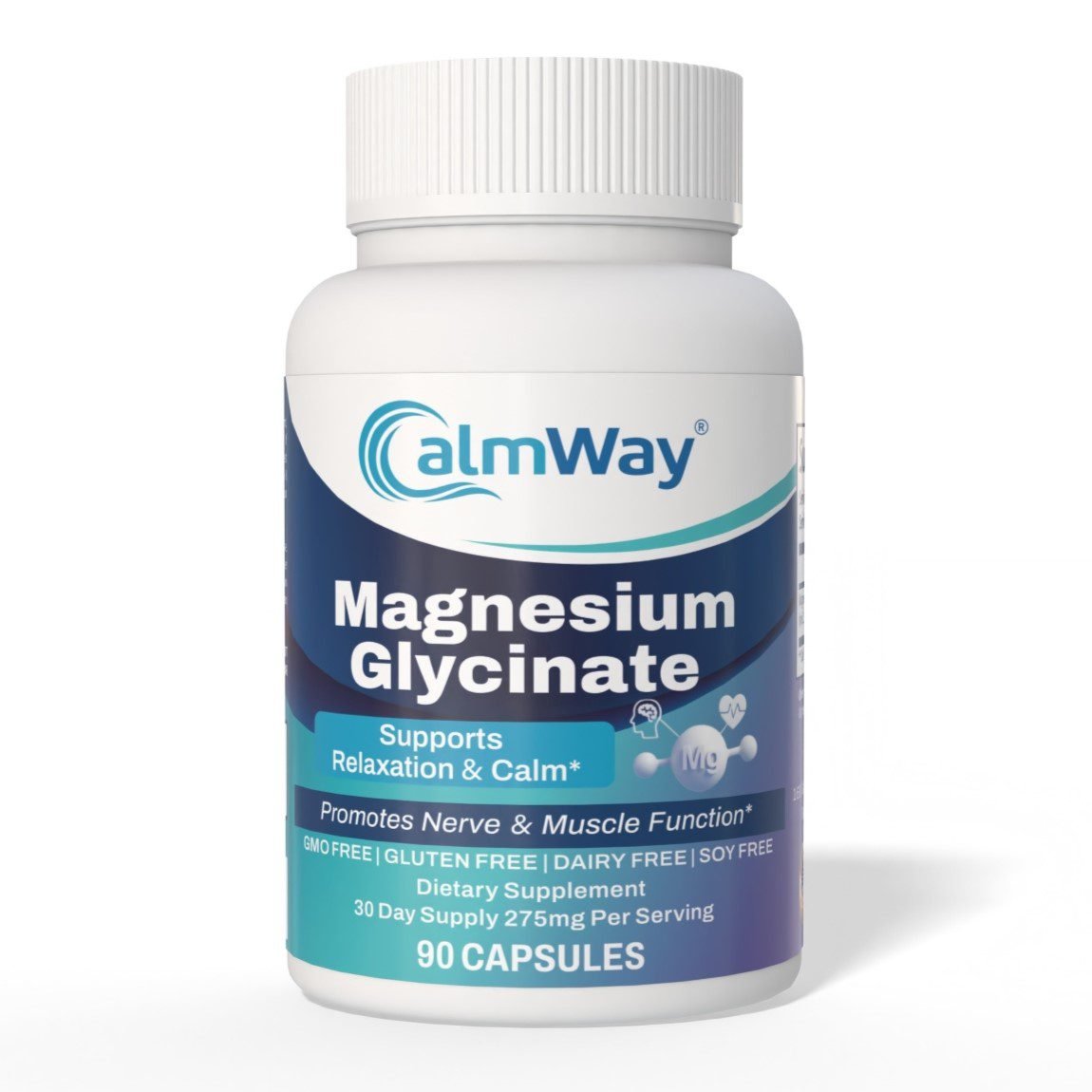
$23.99
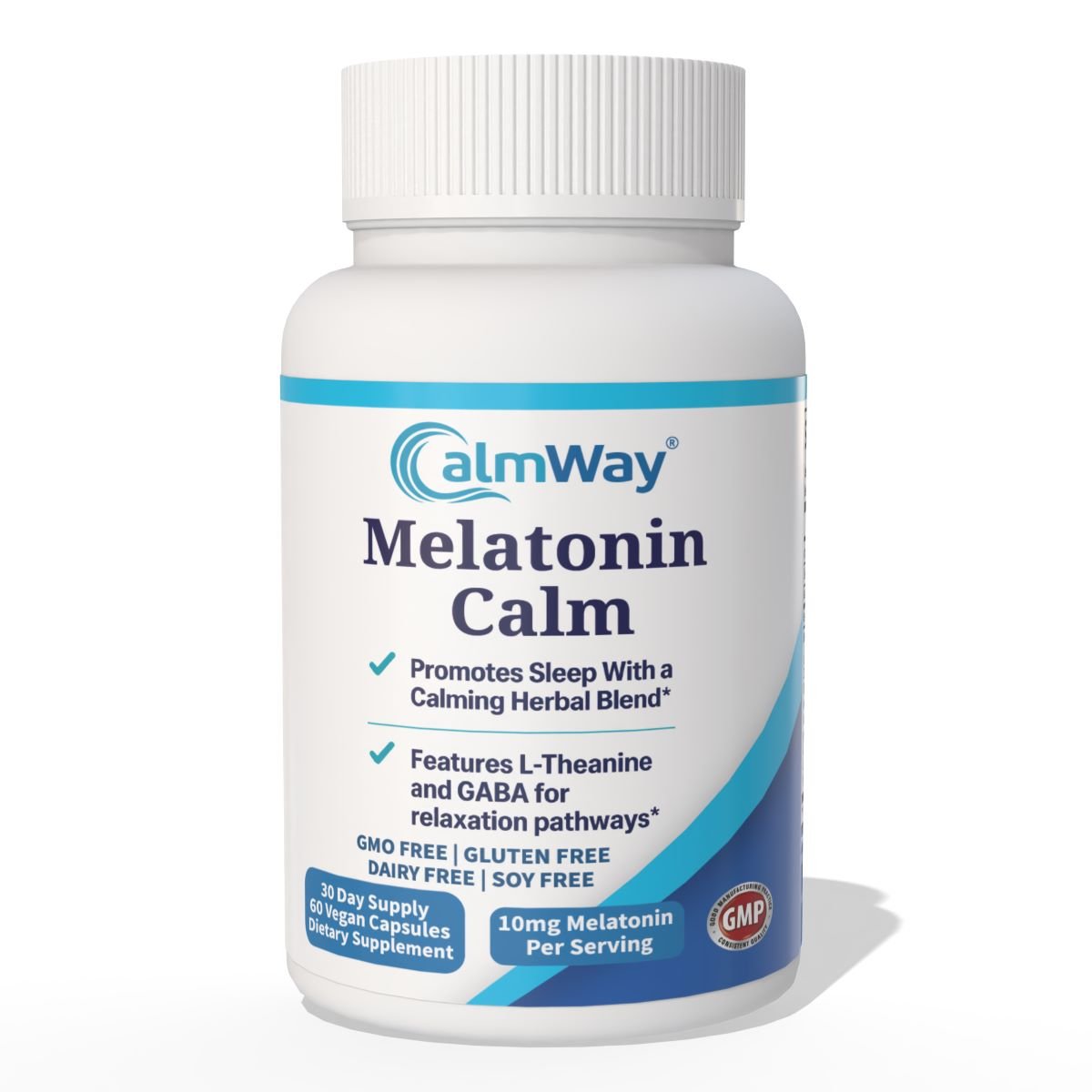
$19.99
$19.99
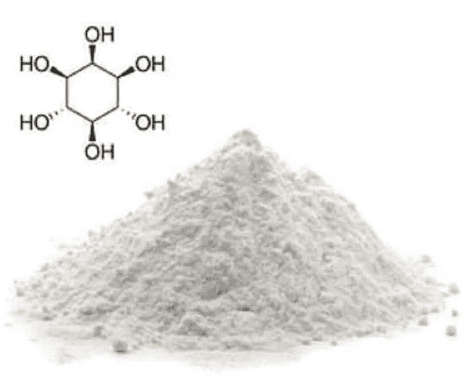
Inositol, often referred to as vitamin B8 (though it is not officially classified as a vitamin), is a naturally occurring carbohydrate that plays a crucial role in various biological processes in the human body. It is a key structural component of cell membranes and is involved in the signaling pathways of hormones such as insulin, serotonin, and dopamine. Despite being lesser known than other nutrients, inositol has gained significant attention in recent years for its potential benefits in treating mental health disorders, metabolic syndromes, and reproductive health issues.
Inositol is a polyol—a sugar alcohol—with a structure similar to glucose. There are nine possible stereoisomers of inositol, with myo-inositol being the most common and biologically significant form. Another notable form is D-chiro-inositol, which also has important physiological functions, especially in relation to insulin signaling and ovarian function (Larner, 2002).
Inositol is found naturally in a wide variety of foods, especially fruits, beans, grains, and nuts. Foods particularly high in inositol include cantaloupe, citrus fruits (except lemons), and whole grains. The body can also synthesize it, primarily in the kidneys, from glucose-6-phosphate (Holub, 1986). Because the body can produce sufficient amounts, it is not considered an essential nutrient.
Inositol is critical for a number of biological functions:
Inositol has shown promise in the treatment of several psychiatric conditions. Clinical studies have suggested that inositol may be effective in reducing symptoms of depression, panic disorder, and obsessive-compulsive disorder (Levine et al., 1995). This is believed to be due to its role in serotonin modulation in the brain.
PCOS is a common endocrine disorder in women of reproductive age, characterized by irregular menstrual cycles, hyperandrogenism, and insulin resistance. Myo-inositol and D-chiro-inositol supplementation have been found to restore ovulation, improve insulin sensitivity, and reduce androgen levels in women with PCOS (Gerli et al., 2007). These effects make inositol a valuable non-pharmaceutical option for managing PCOS symptoms.
Due to its insulin-sensitizing effects, inositol has been investigated as a treatment for metabolic syndrome and type 2 diabetes. Supplementation has shown potential in lowering blood glucose levels and improving lipid profiles in individuals with insulin resistance (Larner, 2002).
Recent studies have explored the preventive effects of inositol supplementation in pregnant women at high risk of developing gestational diabetes. Myo-inositol supplementation has been associated with a reduced incidence of GDM and improved glucose tolerance during pregnancy (D’Anna et al., 2015).
Inositol is generally considered safe when taken in appropriate doses. Clinical studies often use doses ranging from 2 grams to 18 grams per day, depending on the condition being treated. Side effects are rare but may include mild gastrointestinal discomfort at high doses.
It’s important to note that while inositol is well-tolerated, individuals should consult healthcare professionals before starting supplementation, especially if they are pregnant, breastfeeding, or taking medications for mood disorders or insulin regulation.
While many studies point to the benefits of inositol, especially in mental health and metabolic conditions, larger and longer-term randomized controlled trials are still needed. The mechanisms by which inositol exerts its effects—especially in psychiatric disorders—are not fully understood. Additionally, the optimal ratio and dosing of myo-inositol to D-chiro-inositol (often cited as 40:1 in PCOS treatment) require further validation.
Inositol is a multifaceted compound with diverse physiological roles, ranging from cellular signaling to hormonal regulation. Its natural presence in foods and high safety profile make it an attractive supplement for managing conditions like PCOS, depression, and insulin resistance. As scientific understanding deepens, inositol may play an increasingly important role in both preventive and therapeutic health strategies.


No account yet?
Create an Account