



$19.99


$19.99

$23.99

$23.99

$19.99

$19.99
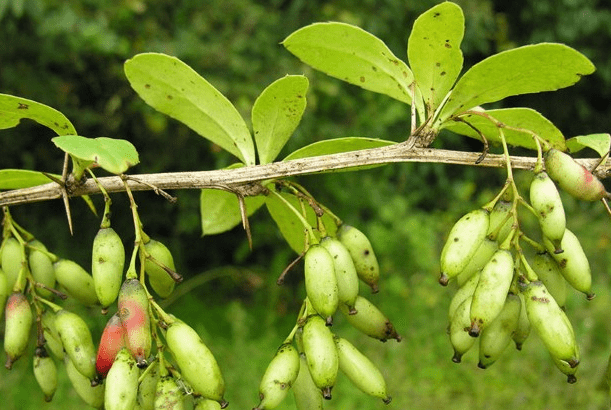
Berberine is a natural bioactive compound extracted from various plants, particularly Berberis aristata, a shrub known as Indian barberry or tree turmeric. With a long history in traditional medicine systems such as Ayurveda and Traditional Chinese Medicine (TCM), berberine is gaining renewed attention in modern research for its potential therapeutic properties, especially in managing metabolic and cardiovascular disorders.
Berberis aristata is a thorny shrub native to the Himalayan region and parts of South Asia. The plant is characterized by its yellow wood and root, which contain the bright yellow alkaloid berberine, responsible for many of its pharmacological effects (Kirtikar & Basu, 1935). In Ayurveda, the root bark of Berberis aristata is known as “Daruharidra.” It has been traditionally used for treating skin infections, eye disorders, digestive issues, and wounds.
Berberine is an isoquinoline alkaloid found in several plants’ roots, rhizomes, stems, and bark. Its bitter taste and vibrant yellow color have led to its use in traditional dyes and medicine. In addition to Berberis aristata, berberine is also found in other species like Berberis vulgaris (European barberry), Coptis chinensis, and Hydrastis canadensis (goldenseal).
The compound has shown various pharmacological activities due to its ability to interact with several molecular targets within cells, including AMP-activated protein kinase (AMPK), an enzyme crucial for regulating metabolism.
Berberine’s most studied mechanism involves activating AMPK, often described as a cellular “energy sensor.” By stimulating AMPK, berberine enhances glucose uptake, improves insulin sensitivity, and regulates lipid metabolism (Zhou et al., 2008). This mechanism is thought to mimic some of the actions of exercise and calorie restriction, which have significant implications for metabolic health.
One of the most researched areas for berberine is its role in managing type 2 diabetes. Several clinical trials have shown that berberine can significantly reduce fasting blood glucose, HbA1c levels, and insulin resistance. In one study, berberine was as effective as metformin, a first-line pharmaceutical for type 2 diabetes (Yin et al., 2008).
Berberine has demonstrated lipid-lowering effects. It can reduce total cholesterol, LDL (bad cholesterol), and triglycerides, while increasing HDL (good cholesterol). Its dual effect on blood sugar and lipids makes it particularly beneficial for people with metabolic syndrome (Kong et al., 2004).
Berberine activates AMPK, which may reduce weight and fat. Some studies suggest modest weight loss in overweight individuals taking berberine over a few months, possibly due to improved insulin sensitivity and lipid metabolism (Zhang et al., 2008).
Historically, berberine has been used as an antimicrobial agent. It has demonstrated activity against various pathogens, including bacteria, viruses, fungi, and protozoa. These properties explain its traditional use in treating diarrhea and intestinal infections (Stermitz et al., 2000). It also exhibits anti-inflammatory effects that may contribute to its benefits in chronic disease management.
Berberine positively influences the gut microbiota by inhibiting harmful bacteria while promoting beneficial species. Its role in modulating the microbiome may partially explain its effects on metabolic and immune health (Gu et al., 2010).
Most clinical studies use berberine at doses of 500 mg two to three times daily, totaling 1,000–1,500 mg daily. Because it has a relatively short half-life, multiple daily doses are recommended to maintain stable levels in the bloodstream.
Berberine is generally considered safe for short- to medium-term use. However, some people may experience gastrointestinal side effects such as constipation, flatulence, or stomach upset. It may also interact with medications, including anticoagulants, antihypertensives, and drugs metabolized by the liver’s cytochrome P450 enzymes. Pregnant and breastfeeding women should avoid berberine, as it may cross the placenta and enter breast milk.
Research into berberine continues to grow, particularly in cancer prevention, neurodegenerative diseases, and autoimmune disorders. Its ability to modulate molecular pathways involved in inflammation, oxidative stress, and mitochondrial function makes it a compound of great interest for chronic disease prevention.
However, larger-scale, long-term clinical trials must confirm its efficacy and safety across diverse populations. Additionally, new delivery systems such as berberine phytosome and nanoformulations are being explored to enhance its bioavailability, which is naturally low in its raw form.
Berberine, particularly from Berberis aristata, is a potent natural compound with many health benefits rooted in traditional medicine and modern scientific research. From managing blood sugar and cholesterol to supporting gut health and antimicrobial defense, berberine offers a promising adjunct or alternative to conventional therapies. As research expands, this age-old herbal remedy may become more prominent in integrative and functional medicine.


No account yet?
Create an Account


