


$19.99


$19.99

$23.99

$23.99
$19.99

$19.99
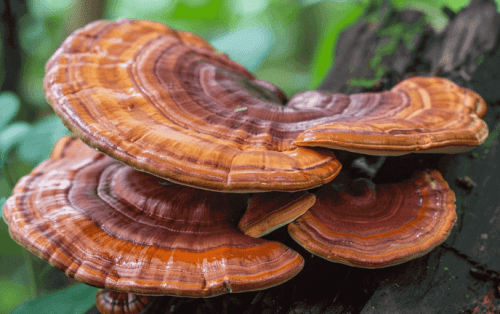
Reishi mushrooms, scientifically known as Ganoderma lucidum, are a type of medicinal mushroom that has been used for over two thousand years in traditional Eastern medicine. Known as the “mushroom of immortality” in Chinese culture, Reishi has gained widespread recognition for its potential health benefits, which include boosting the immune system, reducing stress, and improving sleep. As interest in natural and holistic health remedies grows globally, Reishi mushrooms are increasingly being studied and consumed in various forms such as capsules, teas, and tinctures.
The use of Reishi mushrooms can be traced back to ancient China, where emperors and aristocrats highly prized them. Referring to Lingzhi in Chinese and Mannentake in Japanese, Reishi was often depicted in ancient artwork and regarded as a symbol of health, longevity, and spiritual potency. In traditional Chinese medicine (TCM), Reishi was believed to balance the body’s energy, or Qi, and was used to treat various ailments, including fatigue, respiratory conditions, and liver disorders (Wachtel-Galor et al., 2011).
Reishi mushrooms are large, dark-colored fungi with a glossy, varnished appearance. They typically grow on hardwood trees, especially oaks, in warm and humid regions. The cap is kidney-shaped and ranges in color from reddish-brown to black. Unlike many edible mushrooms, Reishi has a tough, woody texture and a bitter taste, making it unsuitable for culinary use but ideal for teas and extracts.
Several species are within the Ganoderma genus, but Ganoderma lucidum is the most studied for its medicinal properties. Modern cultivation methods have allowed for widespread production, making Reishi accessible to a global market.
The medicinal value of Reishi mushrooms is attributed to their rich composition of bioactive compounds. These include:
These compounds work synergistically to exert various therapeutic effects. Polysaccharides enhance the activity of white blood cells, which are critical to the body’s defense mechanisms. Triterpenoids have been shown to inhibit histamine release, improve oxygen utilization, and promote liver function (Paterson, 2006).
One of the most widely recognized benefits of Reishi mushrooms is their ability to enhance the immune system. Studies have demonstrated that Reishi can increase the production of white blood cells, particularly natural killer cells, which help fight infections and tumors (Gao et al., 2003). This makes Reishi potentially useful as a complementary therapy in immune-compromised conditions, although more clinical research is needed.
Preliminary research suggests that Reishi may have cancer-fighting potential. Laboratory studies have shown that Reishi extracts can inhibit the proliferation of cancer cells and induce apoptosis (programmed cell death) in certain cancer types (Boh et al., 2007). However, these effects have been observed mainly in cell cultures and animal models. While Reishi is not a substitute for conventional cancer treatment, it may support overall health during chemotherapy or radiation.
Reishi mushrooms are considered adaptogens—substances that help the body adapt to stress and restore balance. Traditional use and some human studies suggest that Reishi may reduce fatigue and improve sleep quality. A small study published in Phytotherapy Research reported improved sleep in participants taking Reishi supplements over a four-week period (Wachtel-Galor et al., 2011).
Reishi may contribute to heart health by lowering blood pressure, reducing cholesterol, and preventing blood clots. These effects are believed to stem from its antioxidant and anti-inflammatory properties. However, the evidence is still limited and should be interpreted cautiously, especially for individuals already on medication for cardiovascular conditions.
Reishi is available in various forms, including powders, capsules, teas, and tinctures. Dosage can vary depending on the form and concentration of the product. While generally considered safe for most people, high doses or prolonged use may cause side effects such as dizziness, dry mouth, or gastrointestinal discomfort. There are also reports of liver toxicity associated with powdered Reishi products, so it is essential to consult a healthcare provider before beginning supplementation, especially for those with pre-existing conditions or who are taking medications (Ulbricht et al., 2010).
Reishi mushrooms offer a fascinating blend of traditional wisdom and modern scientific inquiry. Rich in bioactive compounds may support immune function, reduce stress, and potentially provide adjunct benefits in managing chronic illnesses. However, more rigorous clinical studies are needed to confirm many of the purported health claims. As with any supplement, it is crucial to use Reishi with care, under the guidance of a healthcare professional.


No account yet?
Create an Account