



Blog
What Are White Button Mushrooms And What Are Their Benefits?

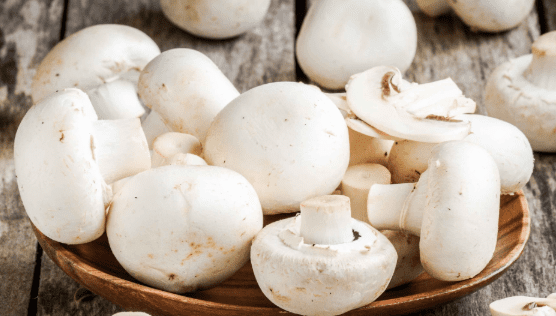
White button mushrooms (Agaricus bisporus) are the most widely cultivated and consumed mushrooms in the world. Recognizable by their smooth, white caps and mild flavor, they are a staple in many cuisines and are found fresh, canned, or frozen in supermarkets globally. Despite their everyday appearance, white button mushrooms offer a host of nutritional benefits and bioactive compounds, making them an important food both nutritionally and economically.
Botanical Background
White button mushrooms belong to the Agaricus genus and are the immature form of Agaricus bisporus. As they mature, they become known as cremini (brown or baby bella mushrooms) and eventually portobello mushrooms. All three are genetically the same species but harvested at different stages of development.
These mushrooms are typically grown on composted manure in controlled indoor environments, making them available year-round. Their rapid growth cycle, adaptability to cultivation, and mild taste have contributed to their dominance in global mushroom production.
Nutritional Profile
White button mushrooms are low in calories but rich in important nutrients, including:
- B vitamins, such as riboflavin (B2), niacin (B3), and pantothenic acid (B5), support energy metabolism and nervous system health.
- Selenium: An antioxidant mineral that helps protect cells from oxidative damage.
- Copper: Important for red blood cell production and immune function.
- Potassium: A mineral essential for cardiovascular and muscular function.
- Ergothioneine: A unique antioxidant amino acid found almost exclusively in mushrooms.
According to the USDA, a 100-gram serving of raw white button mushrooms provides about 22 calories, 3.1 grams of protein, and nearly 1 gram of dietary fiber [1].
Health Benefits
1. Antioxidant and Anti-Inflammatory Properties
White button mushrooms are a notable source of antioxidants, particularly ergothioneine and glutathione. These compounds help protect the body from oxidative stress and inflammation, both of which are linked to chronic diseases such as cancer, cardiovascular disease, and neurodegenerative disorders [2].
Ergothioneine, in particular, is a powerful cytoprotectant, helping cells resist damage from toxins and aging. A study published in Food Chemistry noted that mushrooms are one of the richest sources of ergothioneine in the human diet [3].
2. Immune System Support
Research has shown that white button mushrooms may enhance immune function. A study published in the Journal of Nutrition found that mushroom consumption increased the production of antiviral proteins and improved the activity of dendritic cells, which help detect and respond to pathogens [4].
Additionally, beta-glucans present in the mushroom cell wall may stimulate macrophages and other immune cells, promoting a more robust immune response.
3. Potential Anti-Cancer Properties
Preliminary studies suggest that white button mushrooms may help reduce the risk of hormone-dependent cancers, such as breast and prostate cancer. In one study, mushroom extracts inhibited the activity of aromatase—an enzyme involved in estrogen production—potentially limiting estrogen-driven tumor growth [5].
Other in vitro studies have demonstrated anti-proliferative effects on cancer cells, though clinical research is still limited and ongoing.
4. Gut Health and Prebiotic Potential
Mushrooms contain non-digestible polysaccharides that act as prebiotics—compounds that feed beneficial gut bacteria. Research published in Food & Function highlighted how these polysaccharides, particularly beta-glucans, can support a healthy gut microbiome, which plays a key role in digestion, immunity, and even mental health [6].
5. Weight Management and Satiety
Due to their low calorie and high water content, white button mushrooms can promote satiety and help manage body weight. Substituting mushrooms for higher-calorie ingredients like meat or cheese can lower total energy intake without sacrificing flavor or texture.
A clinical trial published in Appetite found that participants who substituted mushrooms for meat in a meal felt just as full but consumed fewer calories overall [7].
Culinary Versatility
White button mushrooms are prized for their mild flavor and adaptability. They can be eaten raw in salads, sautéed with vegetables, added to pasta and stir-fries, or used as a topping for pizzas and burgers. When cooked, they develop a deeper umami flavor that enhances savory dishes.
White buttons pair well with herbs, garlic, soy sauce, and wine-based sauces. Unlike more delicate wild mushrooms, they retain their texture and structure during cooking, making them especially versatile.
Availability and Storage
These mushrooms are widely available year-round and relatively inexpensive. When purchasing, look for firm, white caps with no sliminess or dark spots. For best quality, they should be stored in a paper bag in the refrigerator and consumed within 5 to 7 days.
Safety and Considerations
White button mushrooms are generally safe to eat for most people. However, like all mushrooms, they contain naturally occurring substances such as hydrazines, which may be carcinogenic in large amounts when raw. Cooking significantly reduces these compounds, so cooking mushrooms before consumption is generally recommended.
Additionally, individuals with mushroom allergies or those who are sensitive to fungal products should avoid them.
Conclusion
White button mushrooms may be humble in appearance, but they pack a powerful nutritional punch. From antioxidant and immune support to potential cancer-preventive effects, they are a valuable addition to a healthy diet. Affordable, versatile, and easy to prepare, white button mushrooms deserve their place as one of the most popular and widely consumed mushrooms worldwide.
References
- U.S. Department of Agriculture (USDA). FoodData Central. https://fdc.nal.usda.gov/
- Beelman, R. B. et al. (2020). Mushrooms: A rich source of the antioxidants ergothioneine and glutathione. Food Chemistry, 233, 429–433.
- Dubost, N. J. et al. (2007). Identification and quantification of ergothioneine in cultivated mushrooms. Journal of Agricultural and Food Chemistry, 55(16), 5750–5757.
- Wu, D. et al. (2007). Dietary supplementation with white button mushroom enhances natural killer cell activity in C57BL/6 mice. Journal of Nutrition, 137(6), 1472–1477.
- Chen, S. et al. (2006). Anti-aromatase activity of white button mushrooms (Agaricus bisporus). Cancer Research, 66(24), 12026–12034.
- Jayachandran, M. et al. (2017). Health-promoting effects of mushroom polysaccharides: A review. Food & Function, 8(6), 2011–2031.
- Rolls, B. J. et al. (2014). Satiety and caloric intake after meals composed of meat or mushrooms. Appetite, 79, 83–90.


