


$19.99


$19.99

$23.99

$23.99
$19.99
$19.99
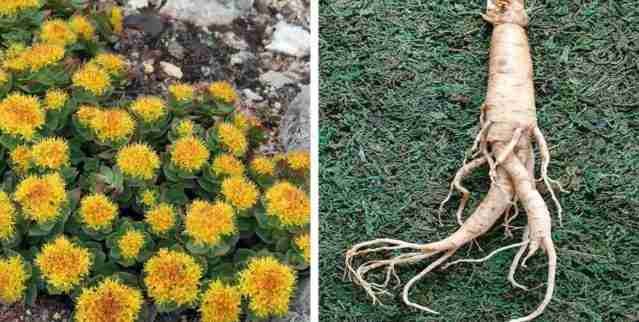
Rhodiola root, derived from the plant Rhodiola rosea, is a natural adaptogen renowned for its potential to enhance resilience to stress, increase energy, and improve overall mental and physical performance. Also known as “golden root” or “Arctic root,” this herb has been used for centuries in traditional medicine systems across Europe and Asia, particularly in Russia, Scandinavia, and China.
As modern interest in holistic and herbal remedies continues to grow, Rhodiola has gained popularity as a supplement for stress relief, fatigue reduction, and cognitive enhancement. Its increasing recognition in scientific circles supports many of these traditional uses.
Rhodiola rosea is a perennial flowering plant in the Crassulaceae family, native to cold regions of Europe, Asia, and North America. It thrives in high altitudes and arctic climates, growing in rocky soils and mountainous terrain. The parts used medicinally are the roots and rhizomes, which contain the active compounds believed to produce health benefits.
Rhodiola has a long history in traditional medicine. In Russia and Scandinavia, it was used to cope with the harsh conditions of Siberian winters and to boost physical endurance. Traditional Chinese Medicine (TCM) also recognized Rhodiola for promoting “qi,” vital energy, and combating altitude sickness and fatigue.
Rhodiola root contains several bioactive compounds, most notably:
Rosavin and salidroside are the primary constituents used to standardize Rhodiola extracts. While both are believed to contribute to its adaptogenic properties, some studies suggest salidroside may play a more central role in neuroprotection and mood regulation (Panossian et al., 2010).
Rhodiola is classified as an adaptogen—a natural substance that helps the body adapt to stress and maintain homeostasis. Adaptogens support the adrenal system and modulate the stress response, typically by interacting with the hypothalamic-pituitary-adrenal (HPA) axis and other key stress-regulating systems.
Research indicates that Rhodiola may help regulate cortisol levels, reduce the impact of stress-related fatigue, and enhance mental focus under pressure. These adaptogenic effects make it attractive for people with high workloads, demanding lifestyles, or chronic fatigue.
1. Stress Reduction and Fatigue Relief
Multiple clinical studies have shown that Rhodiola reduces stress and fatigue in healthy individuals and those with burnout syndrome. A study by Darbinyan et al. (2000) found that Rhodiola extract significantly improved stress symptoms and overall mental performance in physicians working night shifts.
2. Cognitive Function and Mental Performance
Rhodiola has been shown to enhance concentration, memory, and cognitive performance, particularly during periods of fatigue or stress. Spasov et al. (2000) reported improvements in cognitive test scores and reduced mental fatigue in medical students during exam periods in a placebo-controlled study.
3. Physical Endurance
Rhodiola may support physical performance by increasing red blood cell count and improving oxygen transport. One study found that Rhodiola supplementation enhanced exercise endurance and reduced perceived exertion in young adults (De Bock et al., 2004).
4. Mood and Depression
Rhodiola may help alleviate symptoms of mild to moderate depression. A randomized controlled trial by Mao et al. (2015) compared Rhodiola to the antidepressant sertraline. While both improved symptoms, Rhodiola had fewer side effects, making it a potential alternative for those who cannot tolerate conventional medications.
Rhodiola is generally well-tolerated when used at recommended doses (typically 200–600 mg/day of standardized extract). Reported side effects are rare but may include dizziness, dry mouth, or restlessness. Because of its stimulating properties, taking Rhodiola in the morning or early afternoon is often recommended to avoid sleep disturbances.
Pregnant or breastfeeding women, as well as individuals with bipolar disorder, should consult a healthcare provider before using Rhodiola, as it may interact with mood-regulating medications or hormones.
Rhodiola is most commonly available in capsule or tablet form, standardized to contain 3% rosavins and 1% salidroside. It’s typically taken 30 minutes before meals. Starting with a lower dose and gradually increasing it can help gauge tolerance and effectiveness.
Some users also consume Rhodiola as a tea or tincture, though these forms may offer less consistent concentrations of active compounds.
Rhodiola root is a time-tested herbal adaptogen that has gained modern acclaim for its potential to combat stress, boost energy, and improve cognitive and physical performance. While more research is still needed to understand its full range of benefits and mechanisms, current evidence supports many traditional claims about its efficacy and safety. Rhodiola offers a promising option for those seeking a natural way to improve resilience and vitality.
References


No account yet?
Create an Account