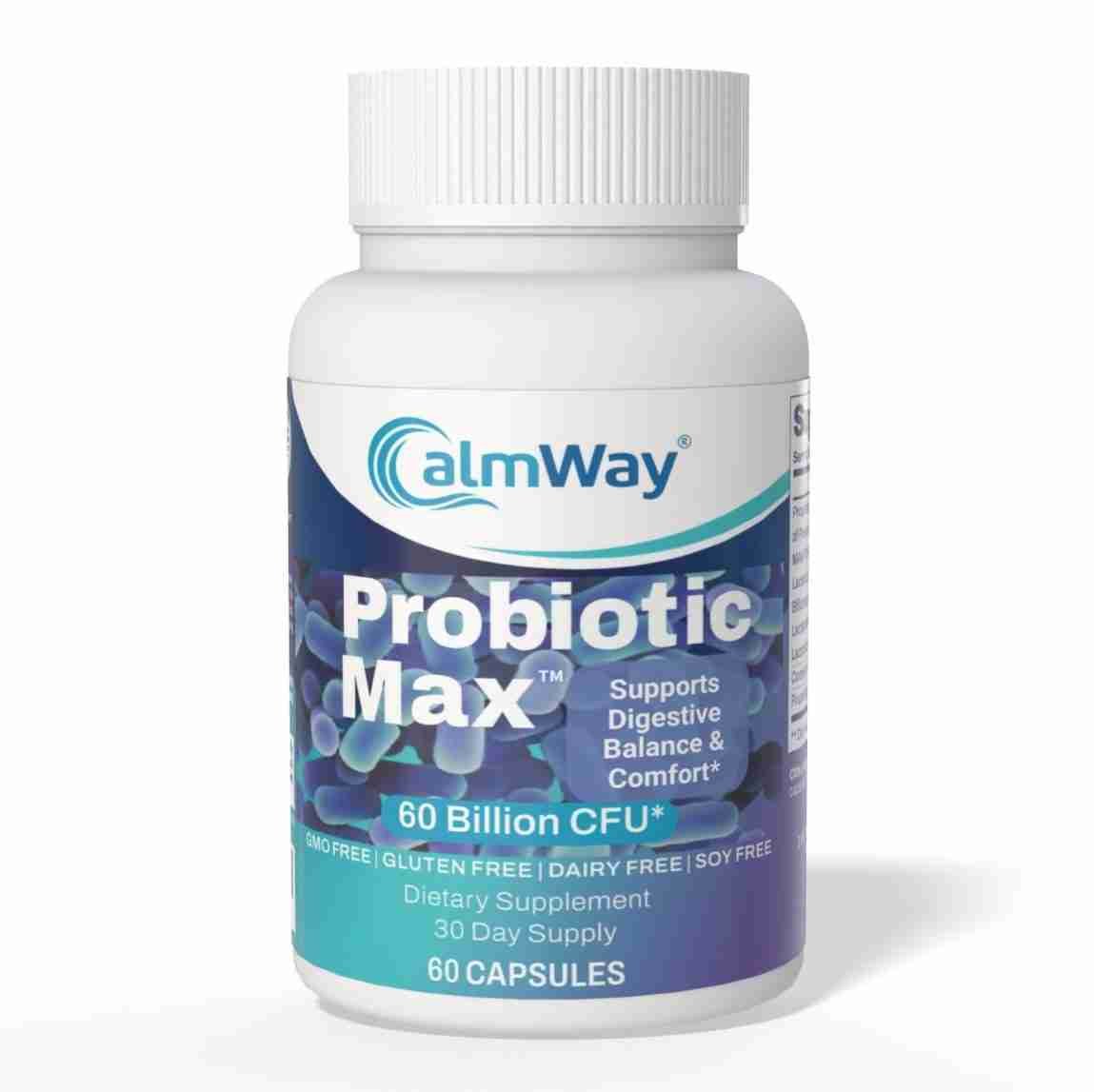


$19.99


$19.99

$23.99
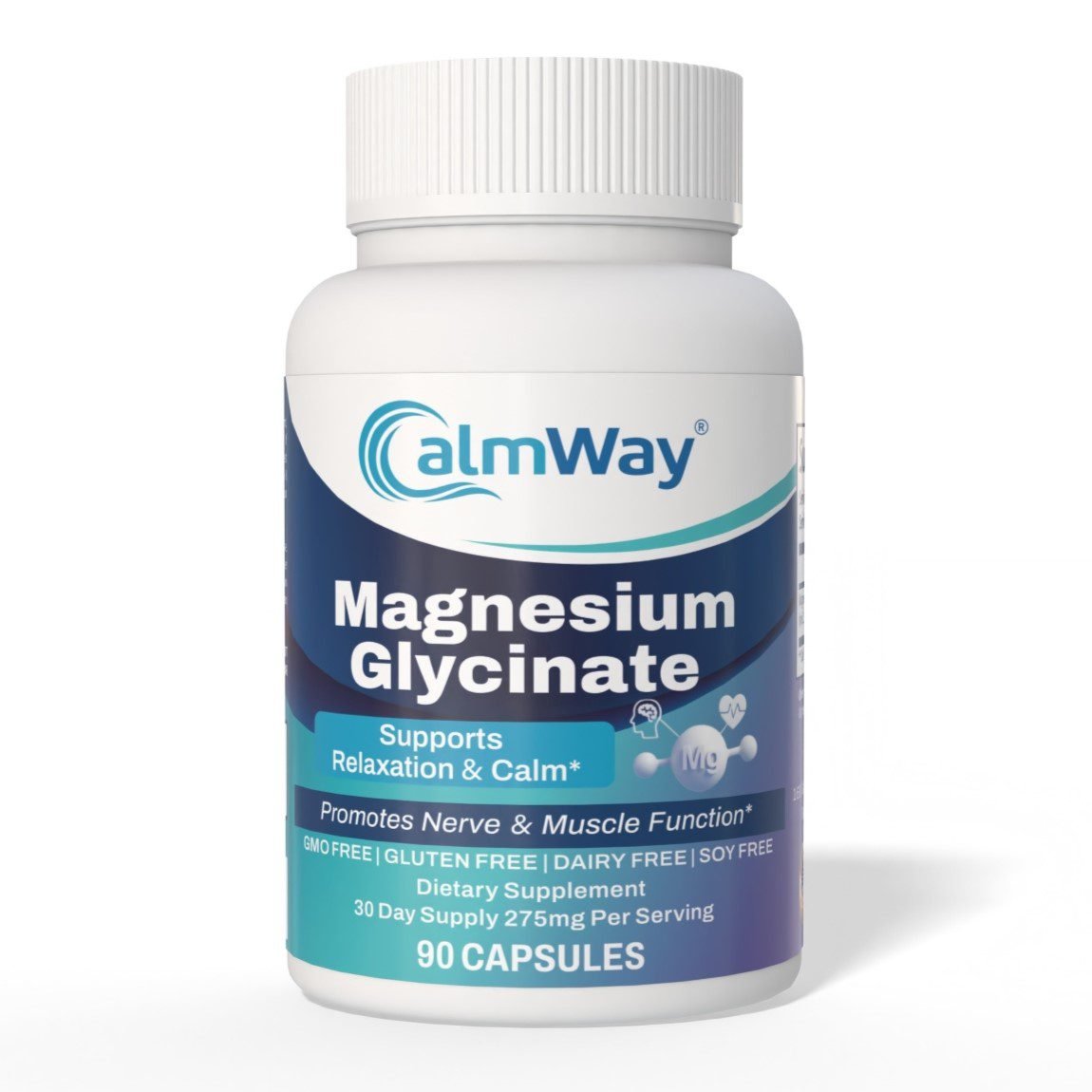
$23.99
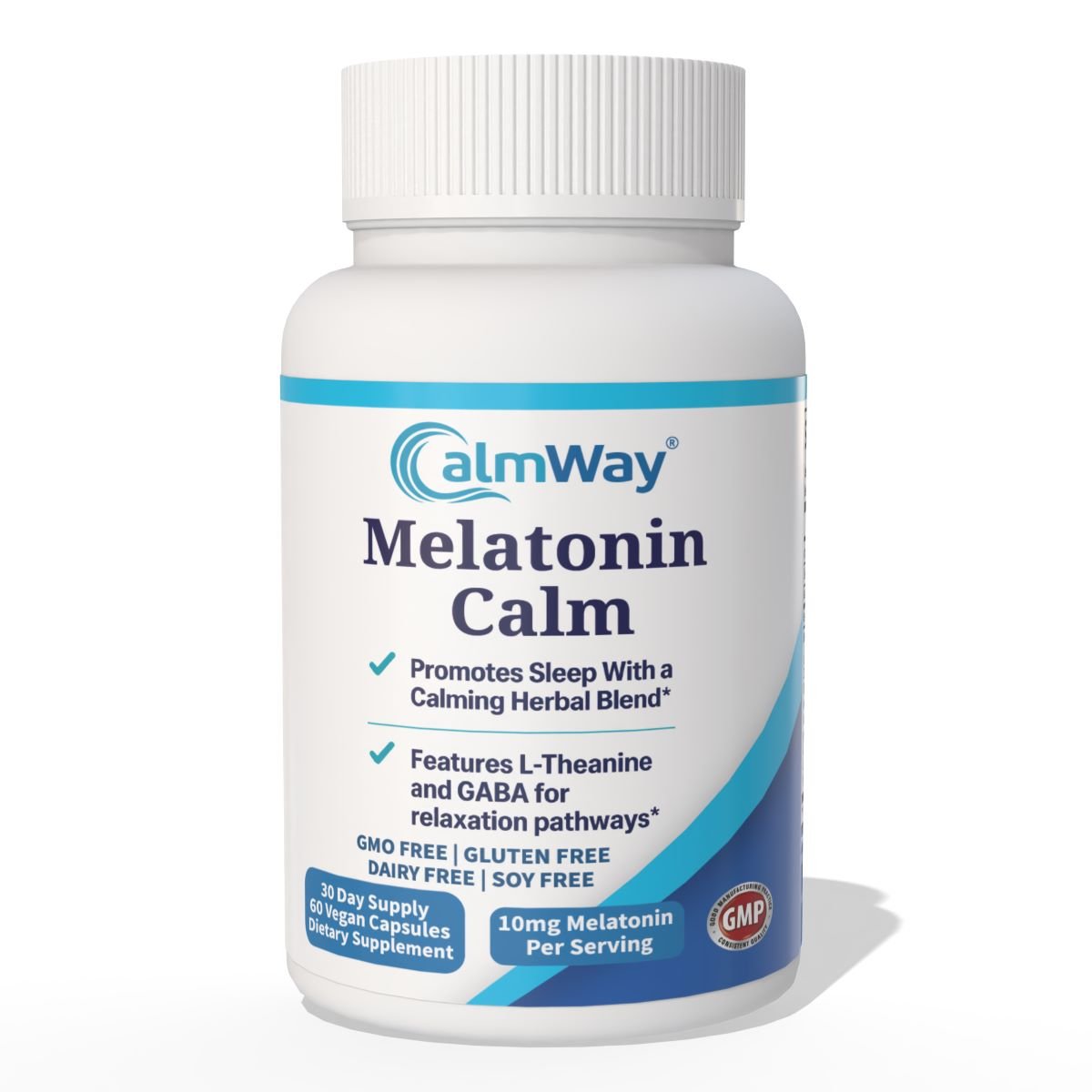
$19.99
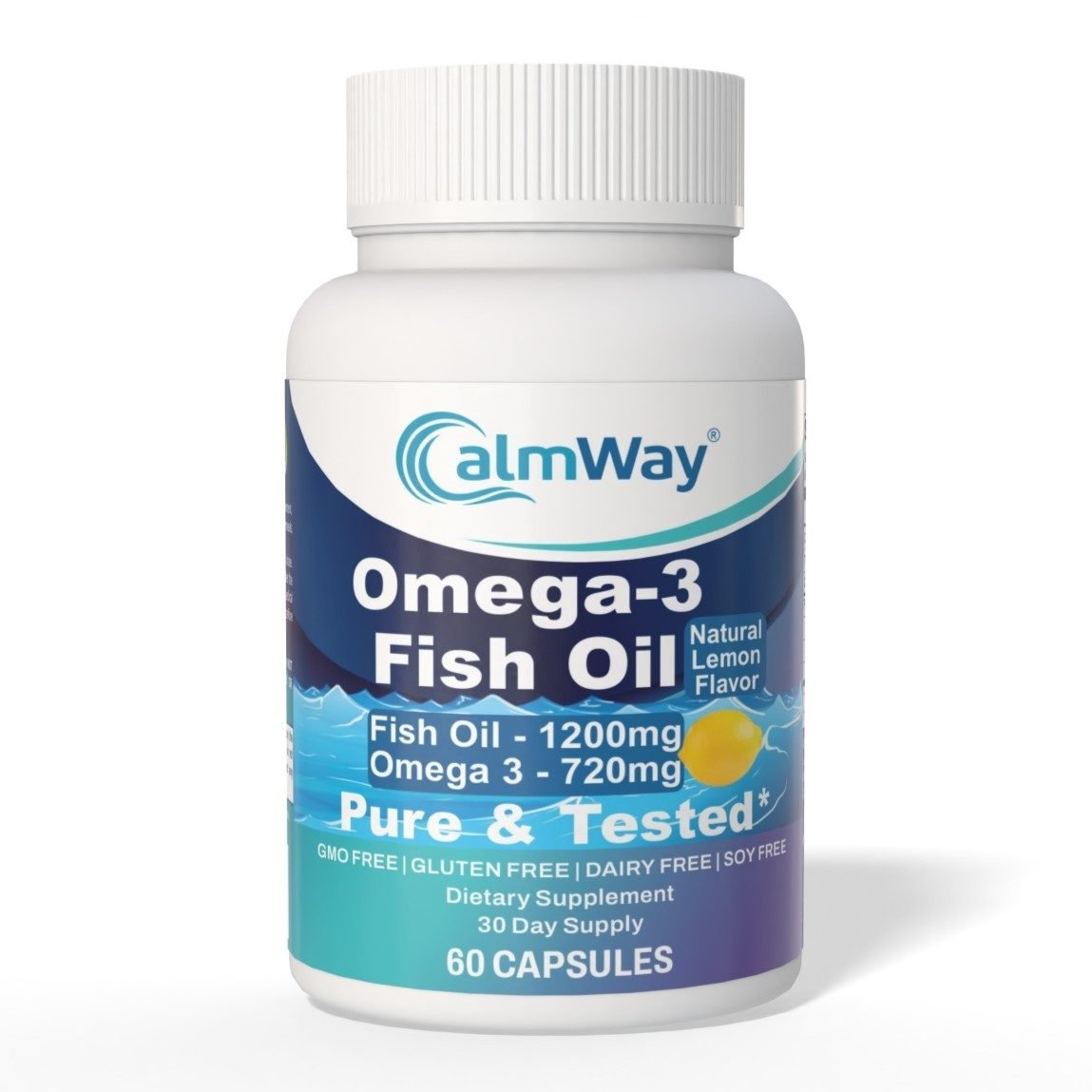
$19.99
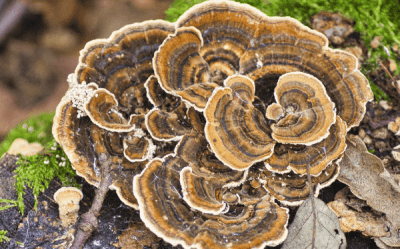
Turkey tail mushrooms, scientifically known as Trametes versicolor, are a type of medicinal fungus that has attracted significant attention for their potential immune-boosting and anti-cancer properties. Named for their multicolored, fan-like appearance resembling a wild turkey’s tail, these mushrooms grow abundantly on decaying logs and trees in forests worldwide.
Used for centuries in traditional Chinese medicine (where they are known as Yun Zhi) and other healing systems, turkey tail mushrooms are now widely studied for their unique bioactive compounds and potential health benefits. Today, they are available in various supplement forms and are among the most researched medicinal mushrooms globally.
Turkey tail mushrooms belong to the Polyporaceae family and are easily recognizable by their colorful concentric brown, white, tan, and blue-gray zones. Unlike gilled mushrooms, turkey tail has pores on its underside through which spores are released.
These mushrooms are saprotrophic, meaning they feed on dead or decaying wood, aiding in decomposition. Although not typically consumed as food due to their tough, leathery texture, they are widely used in teas, tinctures, powders, and capsules.
In traditional Chinese medicine, turkey tail has been used for centuries to support lung health, boost energy, and treat infections. Native American cultures also used them as a remedy for various ailments and as an immune tonic.
One of the most critical milestones in the history of turkey tail mushrooms came in the 1980s when the Japanese government approved a mushroom-derived extract called PSK (polysaccharide-K), sourced from turkey tail, as an adjuvant treatment for cancer. Since then, PSK and other turkey tail derivatives have been studied extensively.
Turkey tail mushrooms are rich in bioactive components, most notably:
These compounds are believed to be responsible for the mushroom’s potential health benefits, especially its immune-regulating and anti-cancer effects.
One of the most well-supported uses of turkey tail mushrooms is their ability to modulate and strengthen the immune system. Beta-glucans and polysaccharide compounds like PSK and PSP stimulate various immune cells, including natural killer (NK) cells, macrophages, and T-cells (Ooi & Liu, 2000). These effects make turkey tail a common supplement among those seeking to boost immunity naturally.
PSK has been extensively researched for its role as an adjunct in cancer treatment. Clinical trials in Japan have shown that PSK can improve survival rates in patients with certain cancers, such as gastric, colorectal, and lung cancer, when used alongside conventional chemotherapy (Fujii et al., 1992). PSP has also demonstrated potential anti-tumor activity in preclinical studies (Ng & Chan, 1997).
It is important to note that while turkey tail is not a cure for cancer, it may enhance immune response and improve quality of life when used as a complementary therapy.
Emerging research suggests that turkey tail may have prebiotic effects that support gut health by promoting the growth of beneficial bacteria such as Bifidobacterium and Lactobacillus (Jeong et al., 2012). A healthy gut microbiome is linked to improved digestion, immune function, and reduced inflammation.
Turkey tail mushrooms are high in antioxidants, including flavonoids and phenols, which help neutralize free radicals and reduce oxidative stress. These compounds also exhibit anti-inflammatory properties that may benefit individuals with chronic inflammatory conditions.
Because of their woody texture, turkey tail mushrooms are rarely eaten whole. Instead, they are commonly consumed as:
Dosages vary, but standardized supplements often recommend 1–3 grams daily. As with all herbal supplements, users should consult a healthcare provider before use, especially if they are undergoing medical treatment or have underlying health conditions.
Turkey tail is generally considered safe for most people, with few reported side effects. Some individuals may experience mild digestive discomfort or allergic reactions. Importantly, those undergoing chemotherapy or radiation should consult their oncologist before adding turkey tail to their regimen, as it may interact with treatment.
Turkey tail mushrooms are a fascinating and powerful natural remedy with centuries of traditional use and a growing body of scientific evidence supporting their health benefits. Rich in immune-boosting polysaccharides and antioxidants, they hold promise as a complementary therapy for enhancing immune function, supporting gut health, and assisting in cancer treatment.
As research continues to unveil the full therapeutic potential of Trametes versicolor, it’s clear that this humble forest fungus is much more than just a colorful decoration on a log—it’s a valuable ally in promoting health and wellness.
References


No account yet?
Create an Account