

$19.99


$19.99

$23.99

$23.99

$19.99
$19.99
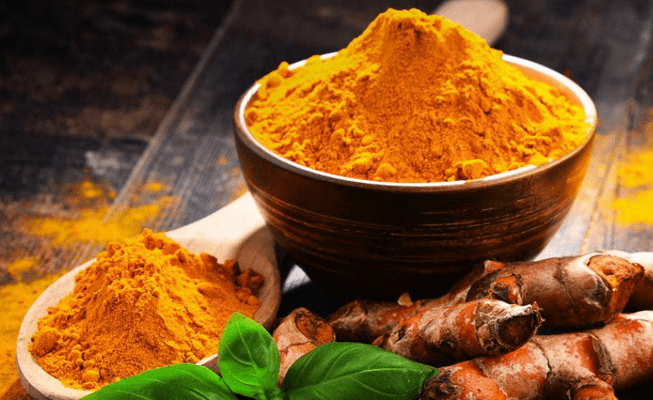
Turmeric (Curcuma longa) is a bright yellow spice revered for centuries for its culinary, medicinal, and cultural significance. Native to South Asia and a member of the ginger family (Zingiberaceae), turmeric has played a central role in traditional systems of medicine like Ayurveda and Traditional Chinese Medicine (TCM). It is gaining widespread popularity worldwide for its potential health benefits, especially as a natural anti-inflammatory and antioxidant agent.
Turmeric is a perennial herbaceous plant that thrives in warm, humid climates. It is primarily cultivated in India, which supplies over 75% of the global market. The part of the plant used is the rhizome—an underground stem—which is boiled, dried, and ground into a fine powder. This powder gives curries and mustard their characteristic yellow hue.
Turmeric has been used for over 4,000 years in India not just as a spice, but also as a dye, cosmetic, and medicinal herb (Prasad & Aggarwal, 2011). Its Sanskrit name, Haridra, and Hindi name, Haldi, both highlight its rich heritage in South Asian culture.
Curcumin is the active compound that gives turmeric its distinctive color and many of its therapeutic properties. It is a polyphenol with potent anti-inflammatory, antioxidant, antimicrobial, and anticancer properties (Gupta et al., 2013).
In addition to curcumin, turmeric contains other bioactive compounds such as demethoxycurcumin, bisdemethoxycurcumin, turmerone, and various essential oils. However, curcumin comprises only about 2–5% of turmeric by weight. It is poorly absorbed, so it is often consumed with black pepper (containing piperine) or fats to enhance bioavailability.
In Ayurveda, turmeric has been used to treat various conditions, from respiratory ailments and digestive issues to skin diseases and wounds. In TCM, it is known to invigorate the blood, promote circulation, and relieve pain.
Culturally, turmeric is a sacred spice used in Hindu rituals and ceremonies. It also plays a cosmetic role, as it is applied as a face and body mask to improve complexion and skin health.
Chronic inflammation is a root cause of many modern diseases, including arthritis, cardiovascular disease, and neurodegenerative conditions. Curcumin has been shown to inhibit inflammatory pathways, such as the NF-κB signaling pathway, and reduce levels of inflammatory cytokines (Aggarwal & Harikumar, 2009).
Curcumin is a potent scavenger of free radicals and can increase the body’s antioxidant enzymes like superoxide dismutase (SOD) and glutathione peroxidase (Menon & Sudheer, 2007). This helps protect cells from oxidative stress, contributing to aging and chronic disease.
Several clinical studies support turmeric’s use in managing arthritis. A 2016 meta-analysis found that turmeric extract significantly reduced joint pain in patients with osteoarthritis (Daily et al., 2016). Its anti-inflammatory effects make it popular among athletes and individuals with muscle soreness.
Curcumin has shown promise in protecting against neurodegenerative diseases like Alzheimer’s. It may cross the blood-brain barrier and reduce amyloid plaque accumulation, one of the hallmarks of Alzheimer’s disease (Ringman et al., 2005).
Turmeric may support heart health by improving endothelial function (the lining of blood vessels), reducing LDL cholesterol levels, and decreasing blood clot formation (Panahi et al., 2017).
Traditionally used for indigestion, turmeric stimulates bile production and may alleviate symptoms of irritable bowel syndrome (IBS). A study published in the Journal of Clinical Medicine found improvements in abdominal pain and discomfort with turmeric extract (Bundy et al., 2004).
Turmeric can be consumed in various forms:
Dosages vary depending on the form and purpose. Clinical studies often use curcumin doses ranging from 500 mg to 2,000 mg per day. It’s advisable to consult a healthcare provider before taking high doses, especially for individuals on blood thinners or those with gallbladder conditions.
Turmeric is generally safe when used in food, but high doses of supplements may cause:
Pregnant or breastfeeding women should also consult their physician before using turmeric supplements.
Turmeric is more than just a flavorful spice—it’s a time-honored herbal remedy with scientifically supported benefits. Its primary compound, curcumin, holds promise in fighting inflammation, supporting brain and heart health, and promoting general well-being. While turmeric is not a cure-all, it can be a valuable addition to a balanced diet and a holistic health approach.
With ongoing research and increasing interest, turmeric’s golden reputation continues to grow, both in the kitchen and the clinic.


No account yet?
Create an Account