



$19.99


$19.99

$23.99

$23.99

$19.99

$19.99
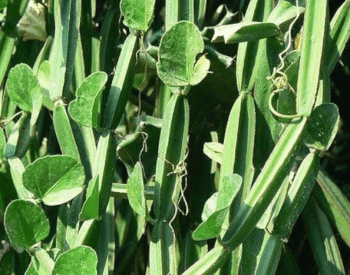
Winged treebine (Cissus verticillata), also known as Princess Vine, Season Vine, or Cuban Princess Vine, is a fast-growing, perennial climbing plant in the grape family Vitaceae. Native to the tropical and subtropical regions of the Americas, this resilient and vigorous vine has attracted interest not only for its ornamental value but also for its traditional medicinal uses and potential pharmacological properties.
Cissus verticillata is a woody vine that can reach considerable lengths employing tendrils. It gets the name “winged treebine” due to the flattened, wing-like extensions along the stems, giving it a distinctive appearance. The leaves are simple or sometimes palmately lobed, and the plant produces small, inconspicuous greenish flowers that develop into dark purple or black berries. These berries are edible but not widely consumed due to their astringent taste.
As a member of the grape family, winged treebine shares several morphological features with more familiar vines like true grapes (Vitis spp.), including its climbing habit and fruiting patterns. Its ability to quickly cover fences, arbors, or trees makes it a favored plant in ornamental horticulture in warm climates.
Originally found throughout Central America, the Caribbean, and parts of South America, Cissus verticillata has naturalized in several regions worldwide, including parts of the southern United States, Africa, and Southeast Asia. It thrives in humid, tropical environments and is tolerant of various soil types, contributing to its invasive potential in some areas.
According to the USDA Natural Resources Conservation Service, the species has been documented in southern Florida and Texas, often in disturbed habitats or as an escapee from cultivation (USDA, 2022).
Historically, Cissus verticillata has played a role in traditional medicine in Latin America and the Caribbean. Indigenous peoples and traditional healers have used various parts of the plant—including leaves, stems, and roots—for treating ailments such as:
The plant has been referred to as “insulina” in regions like Cuba and the Dominican Republic, where it is consumed as a herbal remedy for managing blood sugar levels (Nicolás-Ávila et al., 2012). Decoctions made from the leaves or stems are typically consumed as teas or applied topically to the skin.
Recent scientific investigations have begun to validate some of the traditional uses of winged treebine. Studies have identified a range of bioactive compounds in Cissus verticillata, including flavonoids, tannins, saponins, and triterpenoids, which are associated with antioxidant, anti-inflammatory, and hypoglycemic effects.
In a study published in the Journal of Ethnopharmacology, extracts of Cissus verticillata demonstrated significant antioxidant and cytoprotective properties, which could explain its traditional use in treating inflammatory diseases and gastrointestinal issues (Rivera et al., 2011).
Another study conducted in Mexico examined the plant’s hypoglycemic potential in diabetic rats. The findings suggested that certain plant extracts significantly reduced blood glucose levels, lending support to its folk name, “insulin” (Aguilar-Santamaría et al., 2009).
However, it’s important to note that while promising, these findings are preliminary, and more comprehensive clinical trials are needed before the plant can be recommended as a treatment for any medical condition.
While valued in some regions for its medicinal uses and aesthetic appeal, Cissus verticillata can also become invasive in non-native environments. Its rapid growth and climbing habit can smother native vegetation, disrupting local ecosystems. Gardeners and landscape managers in subtropical regions should take care when planting this species and monitor its uncontrolled spread.
Efforts to manage its invasiveness include regularly cutting back vines, preventing fruit set, and avoiding its use near sensitive natural habitats.
Due to its rapid growth and attractive foliage, winged treeline is sometimes used as a ground cover or to provide shade on trellises and pergolas. Once established, it is drought-tolerant, though it prefers moist, well-drained soils and partial to full sunlight. Pruning and containment strategies are important to prevent it from overtaking other garden plants.
When in bloom or fruit, it may also attract birds and pollinators, adding to its ecological value in designed landscapes.
Winged treebine (Cissus verticillata) is a fascinating plant with a broad range of applications. From its use in traditional medicine and promising pharmacological studies to its value in ornamental horticulture, it continues to draw interest from botanists, ethnopharmacologists, and gardeners alike. However, with its potential to become invasive in non-native habitats, careful management is essential to harness its benefits responsibly.


No account yet?
Create an Account


