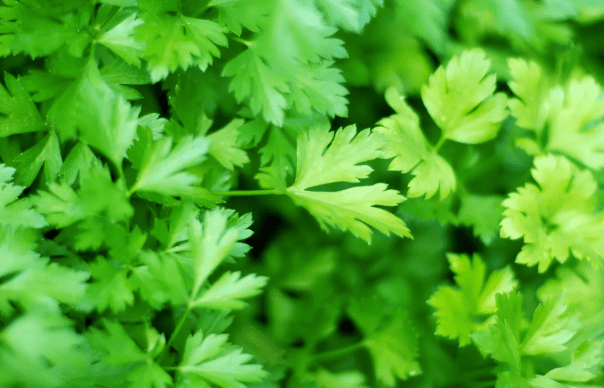
Parsley (Petroselinum crispum) is a widely cultivated herb belonging to the Apiaceae family, which includes other aromatic plants like celery, carrot, and coriander. Native to the Mediterranean region, parsley has been embraced worldwide as both a culinary staple and a medicinal herb. Recognized for its vibrant green leaves and slightly peppery flavor, parsley serves as more than just a decorative garnish. It is valued for its health benefits, culinary versatility, and rich cultural history.
Botanical Characteristics
Parsley comes in two main varieties: curly leaf (Petroselinum crispum var. crispum) and flat leaf, also known as Italian parsley (Petroselinum crispum var. neapolitanum). The curly variety is often used for garnishing due to its attractive ruffled leaves, while the flat-leaf version is preferred by chefs for its stronger flavor and ease of chopping.
Parsley is a biennial plant that completes its life cycle in two years. In the first year, it produces leaves; in the second, it flowers and sets seed. However, it is commonly grown annually in herb gardens. The plant prefers well-drained soil and partial to full sunlight and is often grown both indoors and outdoors for culinary use.
Culinary Uses
Parsley is a cornerstone herb in many global cuisines. In Middle Eastern cooking, it is the key ingredient in tabbouleh, a refreshing salad made with bulgur, tomatoes, mint, and lemon juice. In European kitchens, it enhances the flavor of soups, stews, and sauces. The French use it in bouquet garni—a bundle of herbs used to flavor broths and stocks—while in Italy, it’s integral to gremolata, a condiment of parsley, lemon zest, and garlic.
Its mild bitterness balances savory flavors, making it a go-to herb for seasoning meats, fish, and vegetables. Parsley’s stems and leaves are both edible and add color and nutrients to dishes without overpowering other ingredients.
Nutritional Value
Parsley is more than just a culinary herb—it’s a nutritional powerhouse. A 100-gram serving of parsley contains:
Vitamin K: Over 1000% of the recommended daily value
Vitamin C: Around 220% of the daily value
Vitamin A: Approximately 168% of the daily value
Folate, iron, and calcium in significant amounts
Vitamin K is crucial for blood clotting and bone health, while vitamin C supports the immune system and acts as a potent antioxidant. Parsley also contains flavonoids like apigenin and luteolin, which have anti-inflammatory and anti-cancer properties [1].
Medicinal Uses and Health Benefits
Historically, parsley has been used in traditional medicine to treat various conditions. Its diuretic properties make it useful for reducing bloating and helping with urinary tract infections. Modern research supports some of these claims, though more studies are needed for conclusive evidence.
Anti-inflammatory and antioxidant effects: Parsley’s flavonoids and vitamin C help reduce oxidative stress and inflammation, which are linked to chronic diseases such as heart disease and cancer [2].
Bone health: The high vitamin K content supports bone density and reduces the risk of fractures [3].
Immune support: Parsley’s vitamin C boosts white blood cell production and helps the body fight infections.
Some animal studies have also suggested that parsley extracts may help regulate blood sugar levels and protect liver health, though human studies are still limited.
Cultural and Historical Significance
Parsley has a long history dating back to ancient Greece and Rome. The Greeks associated it with death and used it in funeral rites, while the Romans used it as a breath freshener and digestive aid. In Jewish tradition, parsley is part of the Passover Seder, symbolizing spring and rebirth.
During the Middle Ages, parsley became a staple in European herbal medicine, where it was believed to cure everything from kidney stones to insect bites. Over time, its culinary use became more prevalent, particularly with the rise of French and Italian cooking.
Precautions and Considerations
Although parsley is generally safe when consumed in food quantities, excessive consumption, especially in the form of concentrated oils or extracts, can be harmful. Parsley oil contains compounds like myristicin and apiol, which in large doses may cause liver and kidney issues and even hallucinations [4].
Pregnant women are advised to avoid high doses of parsley extract, as it may stimulate uterine contractions. As always, moderation is key, and those with specific health concerns should consult a healthcare provider before using parsley medicinally.
Conclusion
Parsley is much more than a decorative garnish. It is a versatile herb with a rich history, a range of culinary applications, and significant nutritional and medicinal value. From adding flavor and color to dishes to contributing essential vitamins and antioxidants, parsley is respected in both kitchens and herbal medicine cabinets worldwide.
As interest in natural remedies and nutrient-dense foods continues to grow, parsley stands out as a simple yet powerful plant that supports both culinary creativity and holistic health.
References:
Asif, M. (2012). Nutritional and health benefits of coriander (Coriandrum sativum Linn): A review. International Journal of Pharmaceutical Sciences and Research, 3(3), 766–771.
Parveen, K., Khan, M. R., & Mujeeb, M. (2020). Protective effects of parsley (Petroselinum crispum) against oxidative stress and inflammation in animal models: A review. Journal of HerbMed Pharmacology, 9(1), 35–42.
Booth, S. L. (2012). Roles for vitamin K beyond coagulation. Annual Review of Nutrition, 32, 417–438.
Newall, C. A., Anderson, L. A., & Phillipson, J. D. (1996). Herbal Medicines: A Guide for Health-care Professionals. Pharmaceutical Press.