



$19.99


$19.99

$23.99

$23.99

$19.99

$19.99
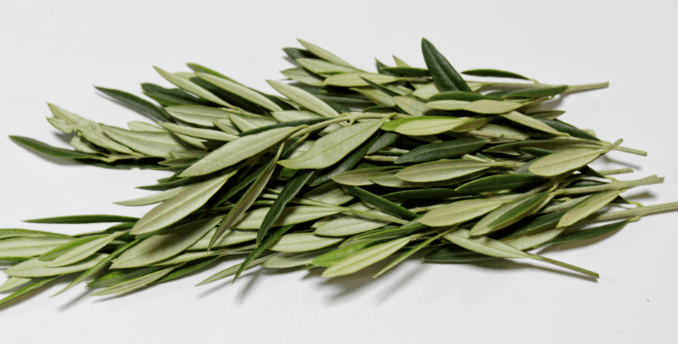
Olive leaf, derived from the Olea europaea plant, has been used for centuries in traditional medicine across Mediterranean, Middle Eastern, and North African cultures. While olives and olive oil are widely celebrated for their heart-healthy fats and antioxidant properties, the humble olive leaf has gained attention in recent years for its impressive phytochemical profile and potential health benefits. Although not typically consumed as a staple food, olive leaf is often found in supplements and teas, raising questions about its nutritional and therapeutic value.
Olive leaves are not a significant source of macronutrients like proteins, carbohydrates, or fats. Instead, their nutritional power lies in their dense concentration of bioactive compounds, particularly polyphenols. The most prominent of these is oleuropein, a bitter secoiridoid glycoside unique to the olive tree. Other notable compounds include hydroxytyrosol, verbascoside, luteolin, rutin, and apigenin (Benavente-García et al., 2000).
These polyphenols function as potent antioxidants, helping neutralize free radicals and reduce oxidative stress, contributing to aging and chronic diseases. Olive leaves also contain small amounts of vitamins (such as vitamin C and E) and minerals (like zinc and iron), although these are generally not present in nutritionally significant quantities.
One of the most researched aspects of olive leaf is its antioxidant capacity. Studies have shown that olive leaf extracts can significantly reduce markers of oxidative stress in both animal and human models (Omar, 2010). Oleuropein and hydroxytyrosol in particular are known to scavenge reactive oxygen species, inhibit lipid peroxidation, and protect DNA from oxidative damage.
In addition, these compounds exhibit anti-inflammatory effects by modulating the production of pro-inflammatory cytokines and inhibiting enzymes such as cyclooxygenase (COX) and lipoxygenase (LOX). This makes olive leaf a potentially valuable supplement for individuals dealing with chronic inflammation, a known driver of diseases such as atherosclerosis, diabetes, and neurodegenerative disorders (Bulotta et al., 2014).
Perhaps olive leaf’s most well-documented health benefit is its positive effect on cardiovascular health. Oleuropein has been found to help lower blood pressure by improving endothelial function and promoting vasodilation. A randomized controlled trial published in Phytomedicine demonstrated that olive leaf extract (containing 136 mg of oleuropein daily) reduced both systolic and diastolic blood pressure in people with stage-1 hypertension, with effects comparable to standard antihypertensive medications (Perrinjaquet-Moccetti et al., 2008).
Olive leaf extract also shows promise in reducing LDL (“bad”) cholesterol and increasing HDL (“good”) cholesterol, while simultaneously preventing the oxidation of LDL particles—a crucial step in the development of atherosclerosis.
The antimicrobial activity of olive leaf compounds has been well documented. Oleuropein and hydroxytyrosol have been shown to inhibit the growth of various bacteria, viruses, and fungi, including Escherichia coli, Staphylococcus aureus, and Candida albicans (Sudjana et al., 2009). These effects make olive leaf extract a popular natural remedy for minor infections and a candidate for alternative antimicrobial therapies, especially in the age of increasing antibiotic resistance.
There is also emerging evidence that olive leaf compounds may help inhibit the replication of certain viruses, including influenza and herpes simplex virus, though clinical research in this area is still limited and largely preclinical.
Preliminary research suggests that olive leaf may help regulate blood sugar and improve insulin sensitivity. A study published in the Journal of Medicinal Food reported that type 2 diabetic patients who took olive leaf extract for 14 weeks showed improved insulin response and reduced fasting blood glucose levels (de Bock et al., 2013).
This has made olive leaf extract a point of interest in natural strategies for managing type 2 diabetes and metabolic syndrome. However, larger-scale, long-term trials are needed to confirm its efficacy and safety.
Oxidative stress and inflammation are key contributors to neurodegenerative diseases like Alzheimer’s and Parkinson’s. By combating these pathways, olive leaf compounds may offer neuroprotective benefits. In animal studies, oleuropein has been shown to reduce amyloid plaque formation and improve cognitive function (Rigacci & Stefani, 2016). While these findings are promising, they have not yet been confirmed in human trials.
Olive leaf is commonly consumed in the form of:
Typical dosages range from 500 to 1,000 mg of olive leaf extract daily. It’s important to follow manufacturer guidelines and consult a healthcare provider before starting supplementation, especially for individuals on blood pressure or diabetes medications, as interactions may occur.
While olive leaf may not significantly contribute to daily calorie or macronutrient intake, its dense concentration of polyphenols, particularly oleuropein and hydroxytyrosol, makes it a valuable plant-based supplement with various potential health benefits. These include antioxidant and anti-inflammatory effects, cardiovascular protection, blood sugar regulation, antimicrobial properties, and possibly neuroprotection.
More human studies are needed to fully validate the efficacy of olive leaf in various health conditions. Nevertheless, current evidence suggests that olive leaf can be a nutritious and beneficial addition to a health-conscious lifestyle, whether consumed as a tea or supplement.


No account yet?
Create an Account


